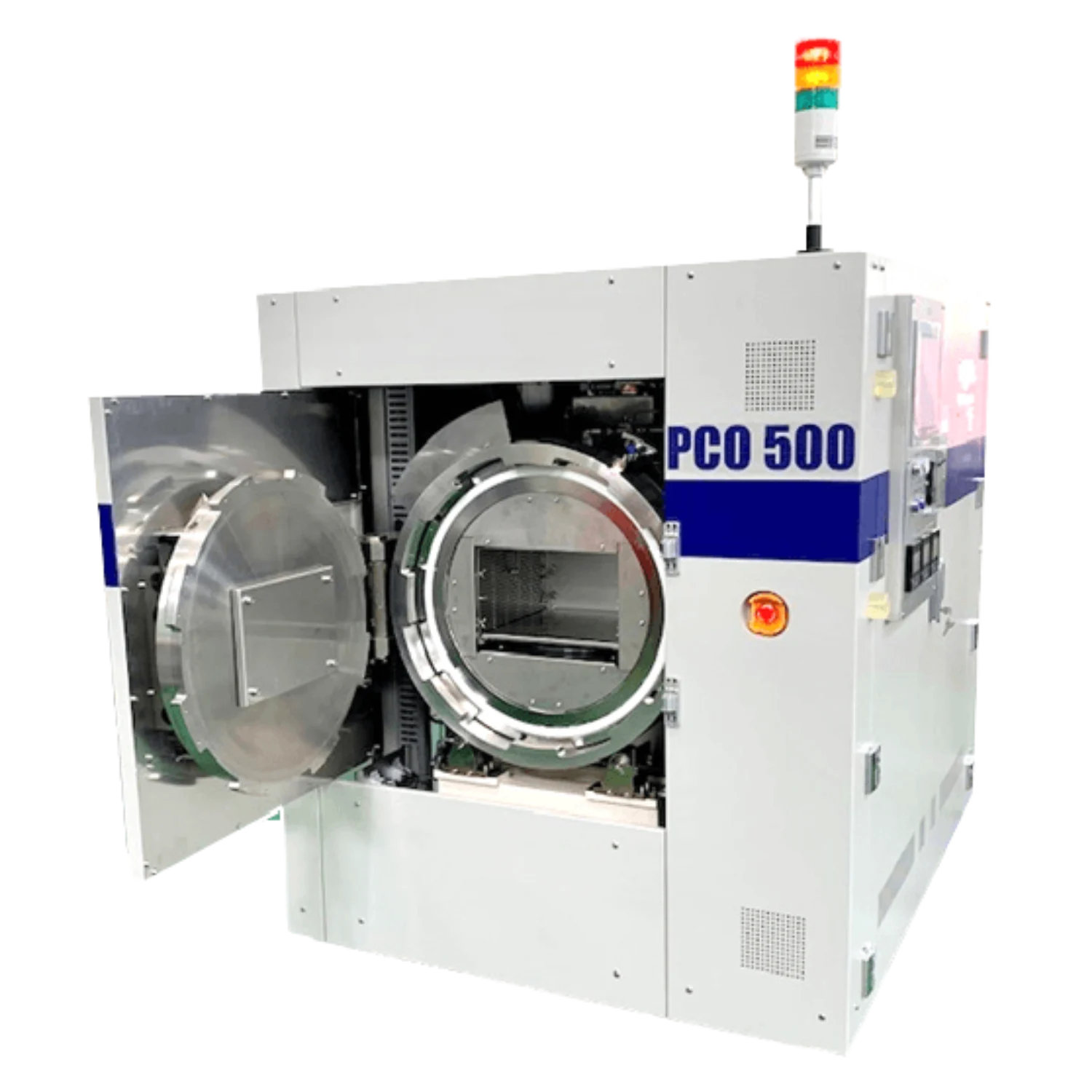
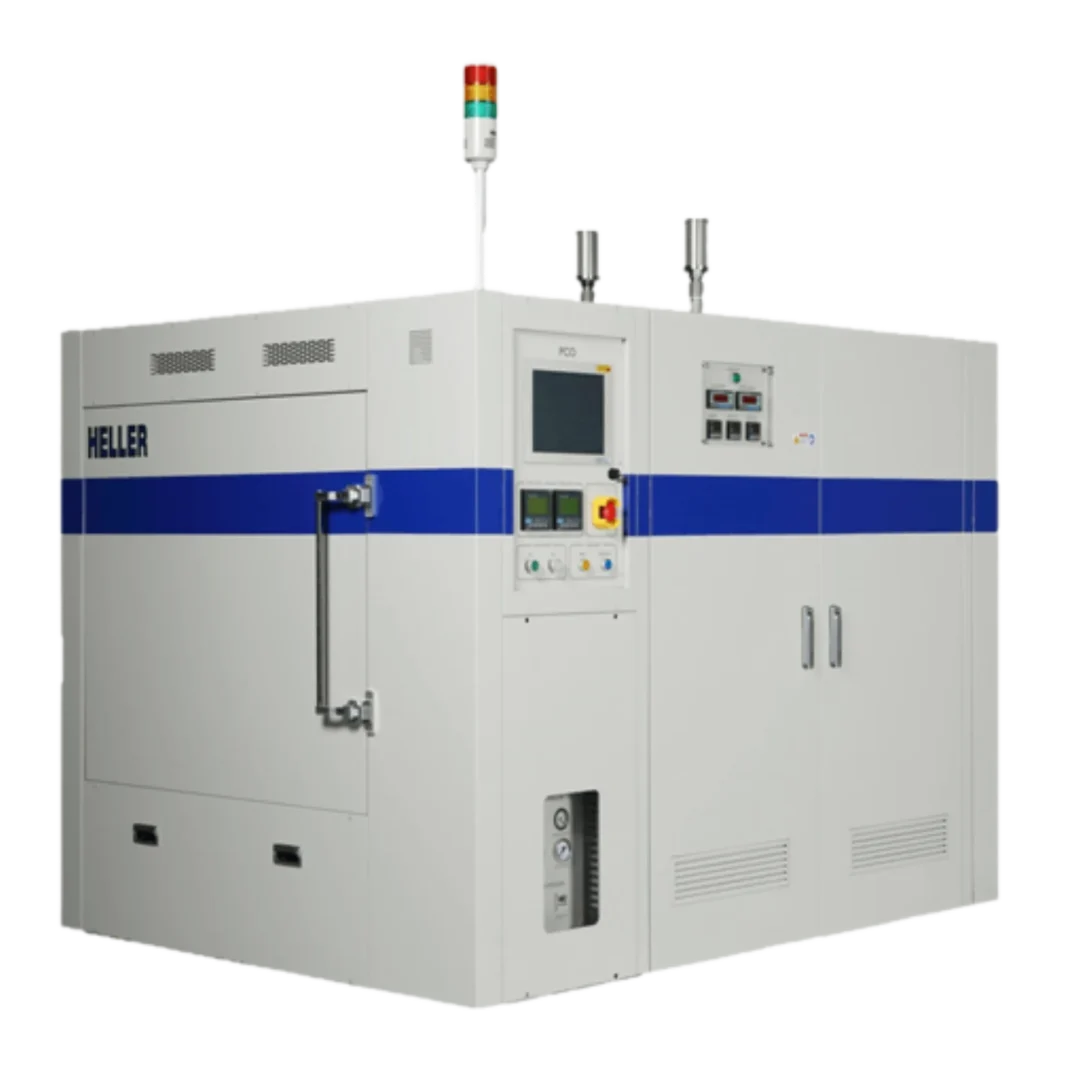
PCO 500
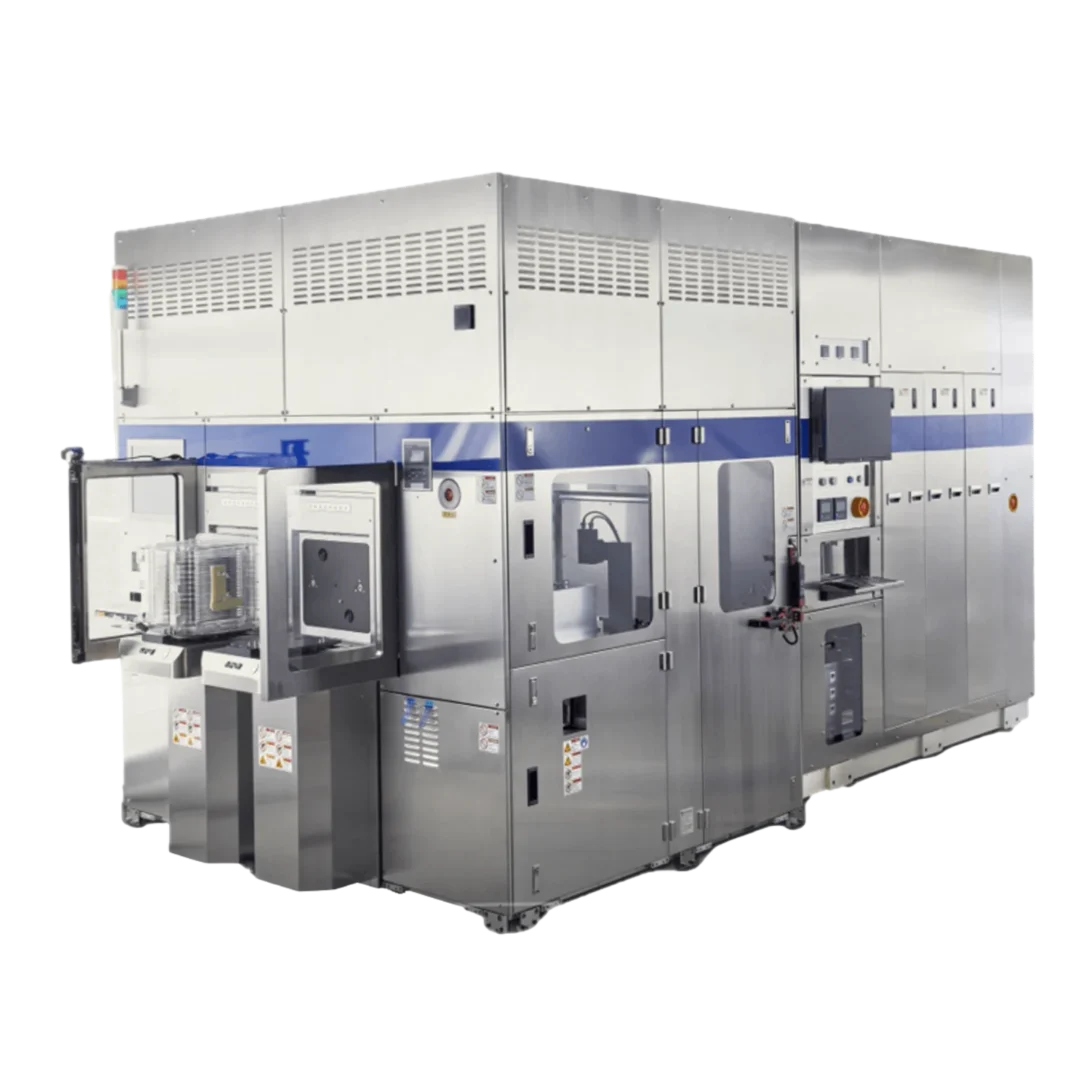
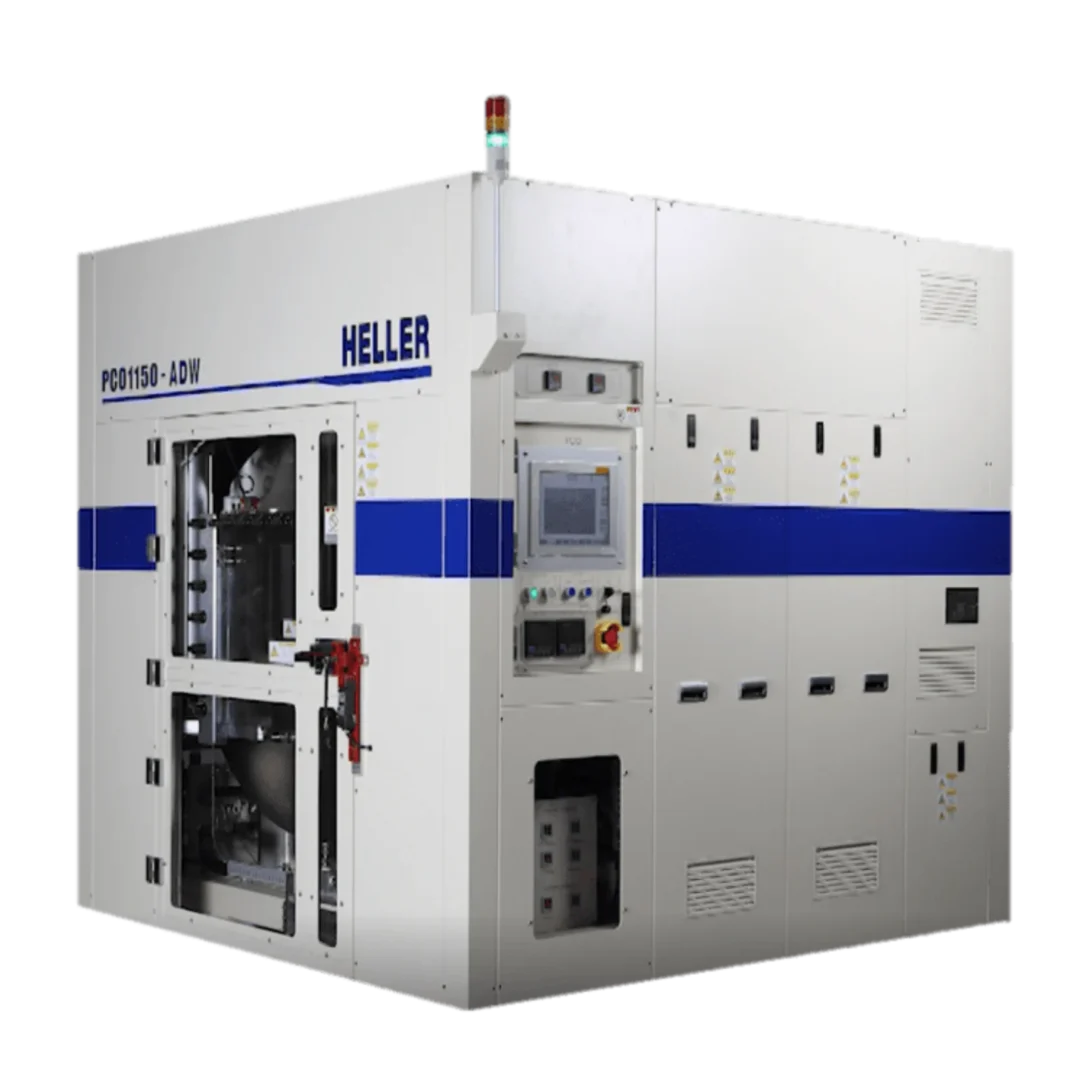
Heller Pressure Curing Oven
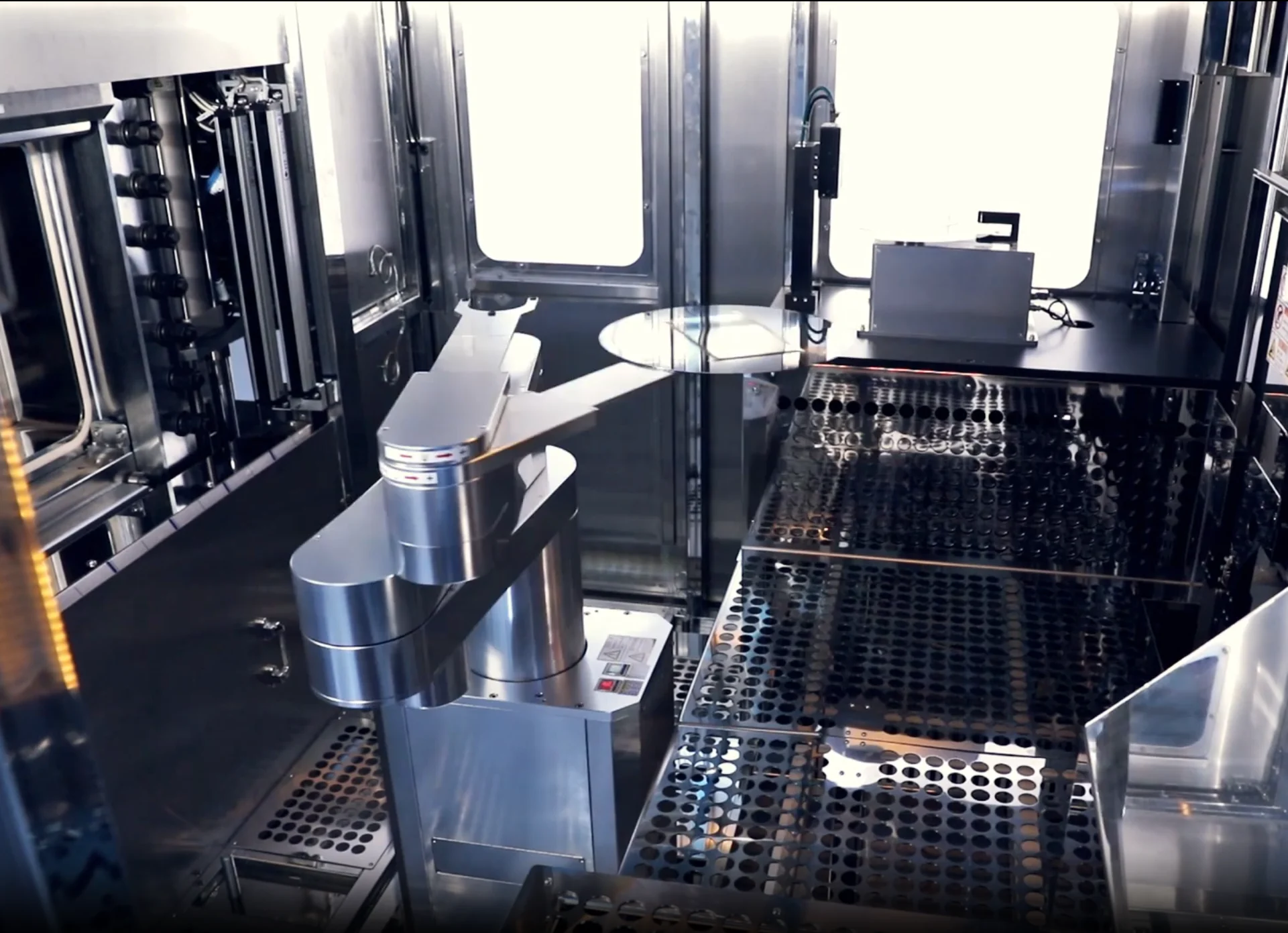
The Heller Pressure Curing oven utilizes a pressure chamber to minimize voiding and increases adhesion strength. The process is simplified by eliminating the need for certain pre-cure steps such as prebake and plasma steps. Heller PCOs can be accompanied by optional vacuum chambers to achieve shorter overall cycle times. While maintaining constant pressure inside the chamber, air (or Nitrogen) is heated in a convection heater module. Heated air is moved by a high-reliability fan motor and continuously circulates across the pressure chamber, providing consistent heating on the product.
Highlights:
Building on our innovations in SMT solder reflow, including full-convection technology and efficient nitrogen usage, we now offer a complete family of custom pressure curing and reflow ovens designed for a wide range of pressure-based applications.
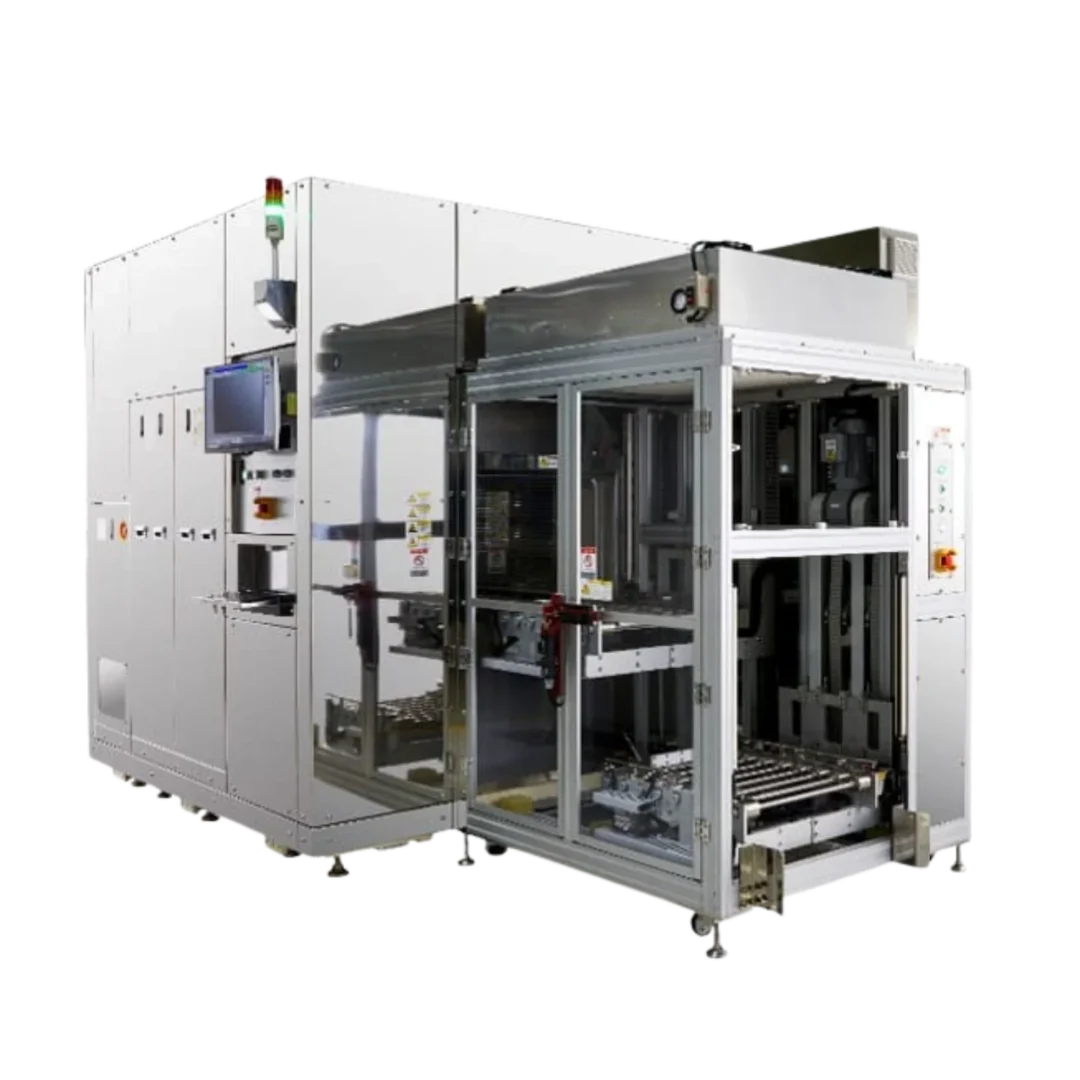
Heller provides multiple pressure curing oven models with various chamber sizes suitable for R&D environments and high-volume production, with optional cleanroom and automation configurations.
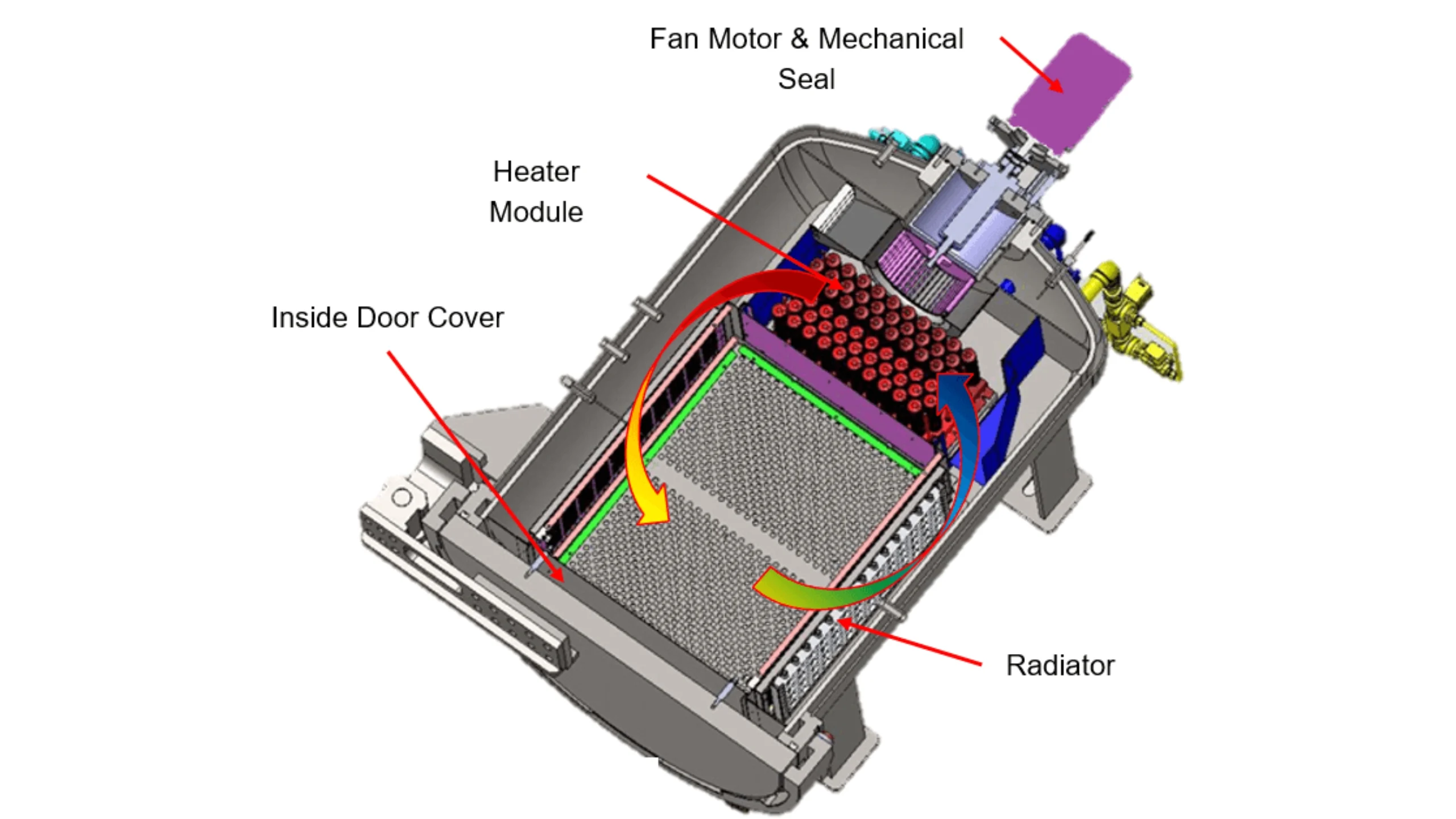
These systems maintain constant chamber pressure while heated air (or nitrogen) circulates through a convection heater module. The high-reliability fan motor moves heated air continuously across the pressure chamber to deliver uniform thermal processing.
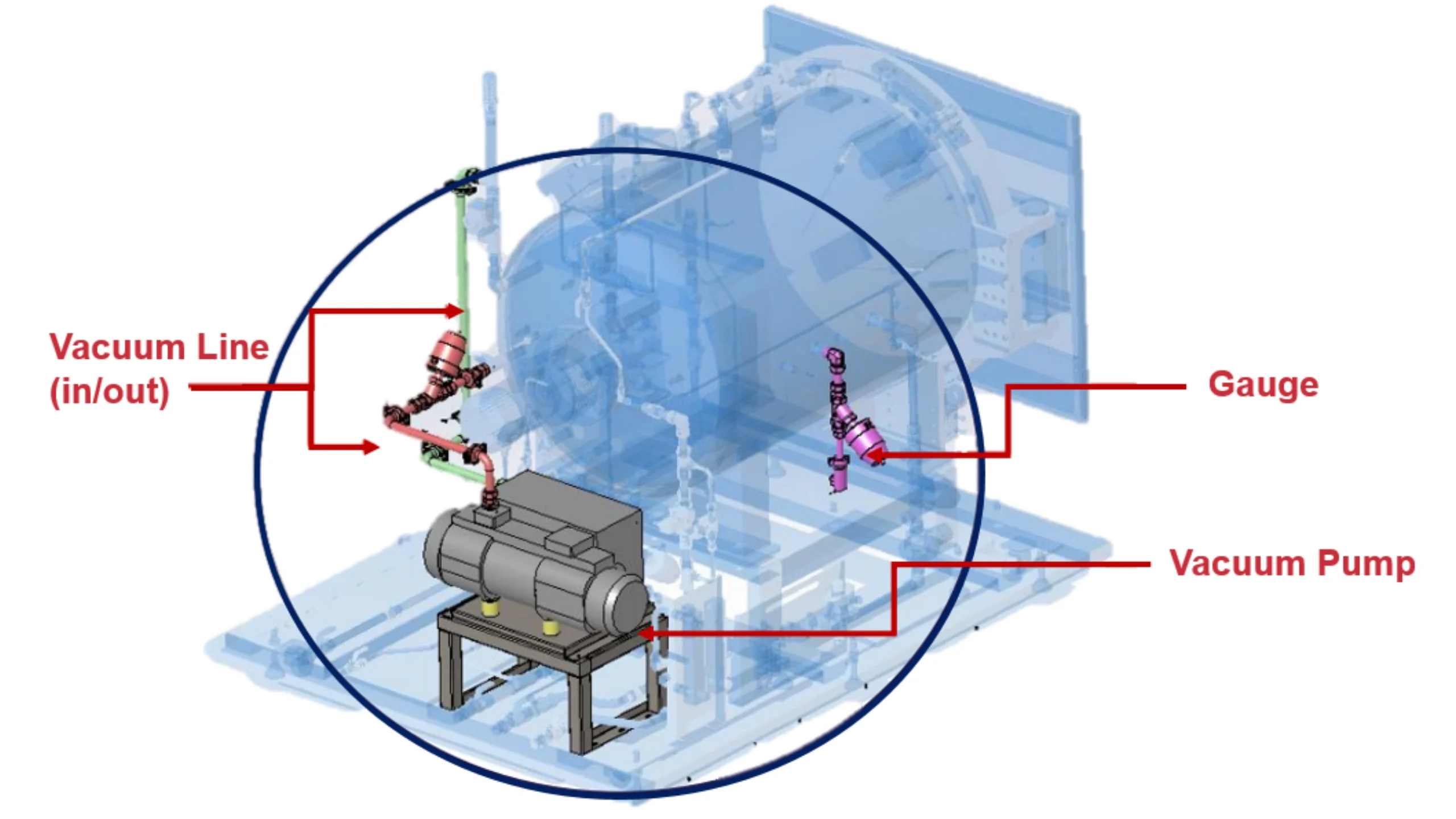
An optional vacuum pump can be added to improve void removal. Vacuum is applied at the beginning of the curing cycle to eliminate larger voids, while smaller voids are removed later under pressure. Using both vacuum and pressure can help achieve shorter cycle times.
| Feature | PCO 500 |
|---|---|
| Oven Dimensions (WLH mm) | 1,540 x 1,770 x 1,690 |
| Maximum Operating Temperature ([°C]) | 200 |
| Maximum Operating Pressure (kgf/cm2) | 10 |
| Vacuum Option (Optional) | 0.1/ 10/ 100 torr + time condition ex) 760 torr → 10 torr/ 5 min |
| Clean Room | For Class 10000/ 1000/ 100 |
| Certification | SEMI S2/S8, ETL, CE, NEPA, etc |
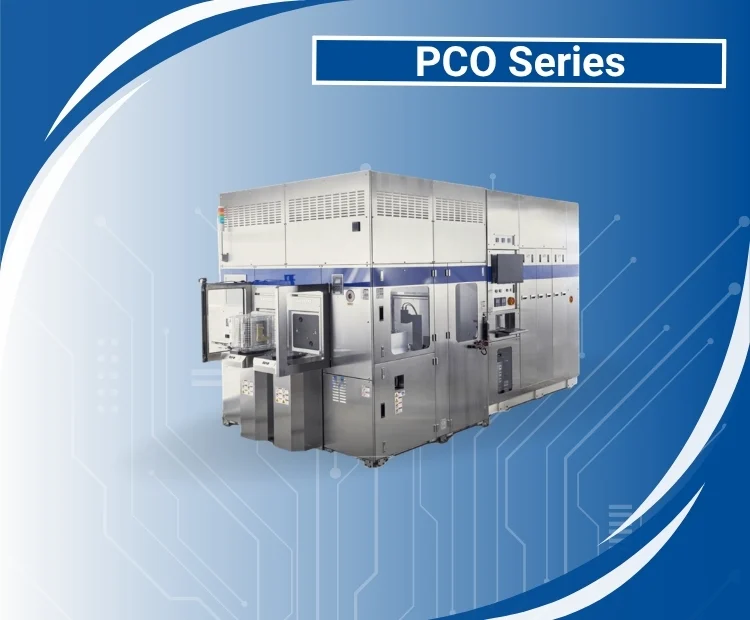
This product video introduces PCO Series by summarizing its general working principle and typical application scenarios.

 English
  Türkçe