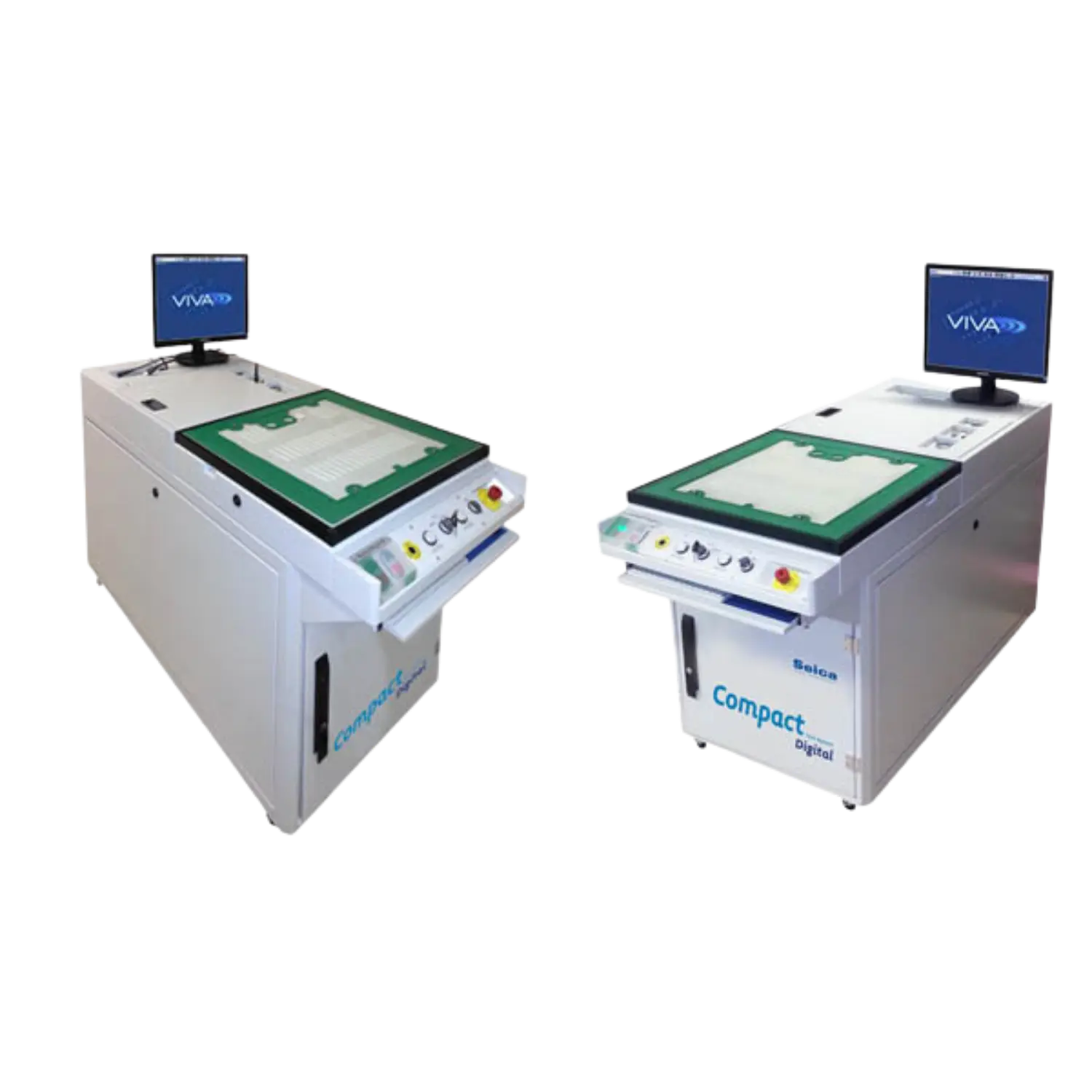
The rapid development of digital components demands a more sophisticated digital tester with capabilities that extend beyond a standard logic analyzer. Modern industrial manufacturing requires processing power at the hardware level to optimize test times. Concurrently, new logic families with variable voltage levels and single or differential signals introduce additional complexity to the testing process.
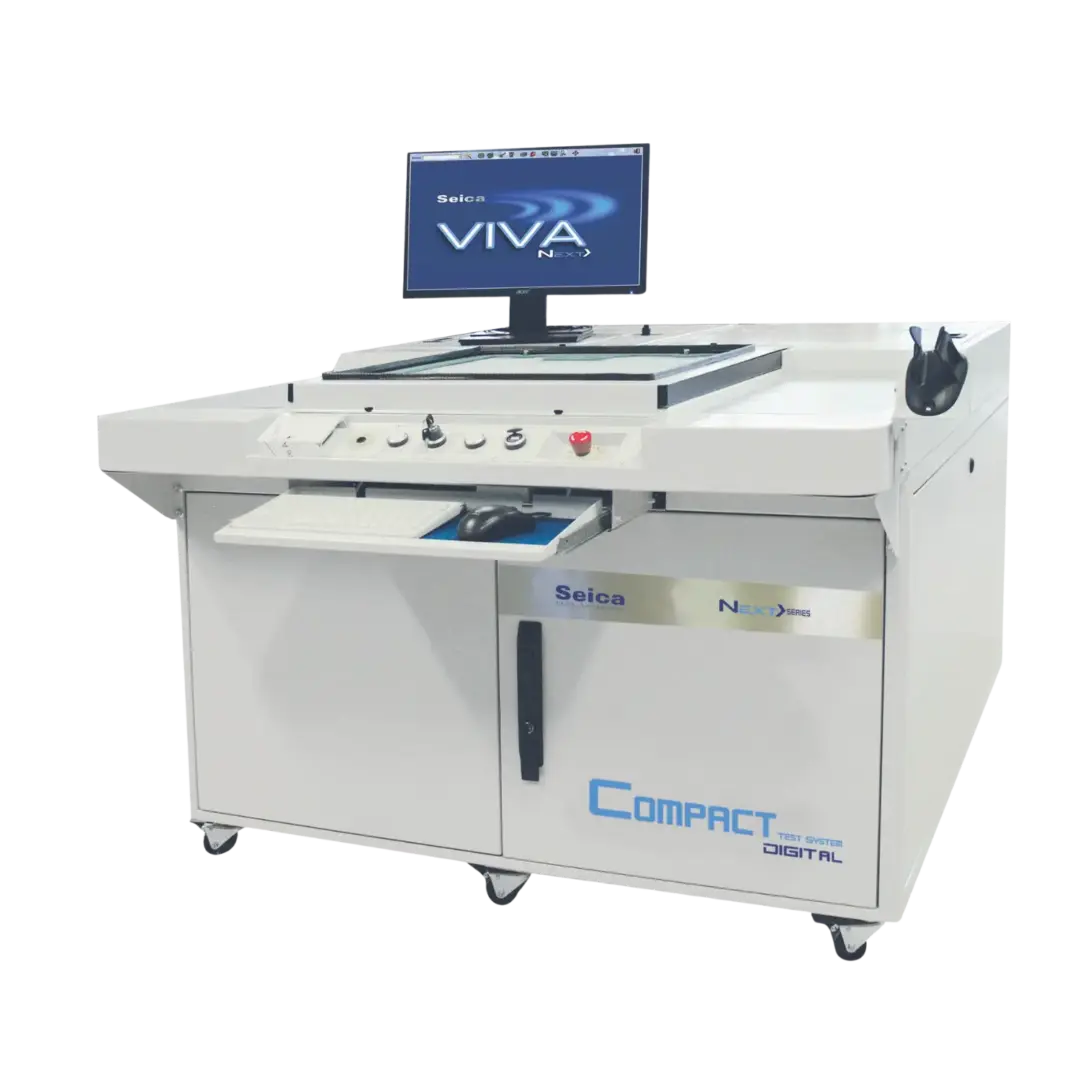
The Compact DIGITAL Test System (DTS) represents the ideal solution to meet the continuous market demand for testing integrated devices through vector-based techniques and dedicated protocols like Boundary Scan, while maintaining the essential capability to perform integrated in-circuit testing.
✔ ATE Resources - ICT and functional testing
Like any other Seica solution, the Compact DTS test system uses the VIP platform, whose main feature is the possibility to deliver the best integration of technology and easiness of use, providing the user with all of the capabilities required for both in-circuit and functional testing without necessarily being an expert.
This performance is possible thanks to the cutting-edge measurement system (based on ACL proprietary module) and to the VIVA management software. The first one, implemented on DSP technology, integrates all of the testing capabilities while enabling the fully-automated test execution. Moreover, the communication to the Main PC via optical fiber cable minimizes sensitiveness to external disturbances. The second one, designed with a simple and user-friendly logic, provides operational autonomy in terms of system management and testing routines executions. With the Quick Test module, a graphical software specifically designed for compiling and running functional tests in reduced time frames, the operator can properly program any system resources without knowing neither the internal architecture nor a specific programming language.
✔ Digital testing up to 25 MHz
Beside the fact that the ACL module already features 4 digital channels on every TP, hardware for digital testing has been developed and improved over time, reaching the performances and capabilities integrated in the F50 module.
This is a 32 digital channel board that can reach up to 25 MHz pattern rate. It includes digital drivers and sensors (with signal voltage programming up to 12V and a dedicated on-board 256Kb memory) and 4 pulse generators that can also operate in clock-free running mode (1 every 8 channels of the board) making it either synchronous or asynchronous with respect to the digital patterns. All this, combined with the 4 independent frequency, period or pulse meters and the resources for 2-line analog testing, make the F50 a state-of-the-art solution.
✔ Programming Software
Capitalizing on the thirty-year experience in electronic testing, the VIVA Environment offers a set of options and capabilities that make it really flexible and easy to use. This software allows the user to combine ICT and functional testing for an improved process speed and fault coverage through a Functional Graphic Environment which guides the user through the steps of test program creation and execution. A dedicated environment NVL (Neutral VIVA Language) is available for digital test development, where it is possible to check, debug and execute programs. This environment enables the simultaneous handling and integration of analog, digital functional and “management” instructions, in order to implement a complete functional test.
In case of memory programming (e.g. I2C, SPI protocol), NVL allows an easy integration and direct use of standard Intel/Motorola (.bin, .mot, .hex) programming files. A graphical tool featuring waveform acquisition capabilities via external probe or internal channel further facilitates repair in the event of digital functional testing. The open architecture of the VIVA software makes it compatible with other programming languages (e.g. Python, VBS) and third-party software modules (.EXE and .DLL).
✔ Different configurations for an enhanced implementation
The digital part of a DTS tester can be configured to meet different requirements and to achieve the best performance:
- Use of the direct digital channel connection of the F50 board. The system resources available are fully digital.
- Implementation of direct hybrid channels by combining F50 and S64 boards. This solution will make available on test points all of the digital and analog resources of the Compact DTS tester. This is a direct channel configuration, thus enabling recovery of existing fixtures implemented on other test systems.
- Multiplexing digital channels. If a high number of digital channel is necessary, a cost-effective solution to multiplex the digital channels (even with 1:8 ratio) can also be provided, making the DTS tester a full digital system optimizing system resources.
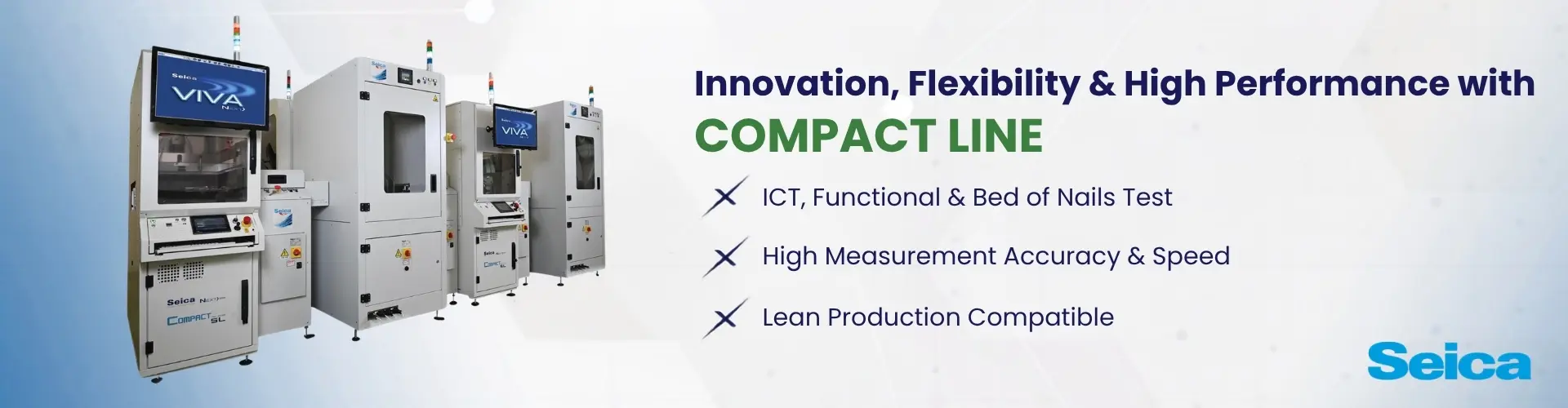
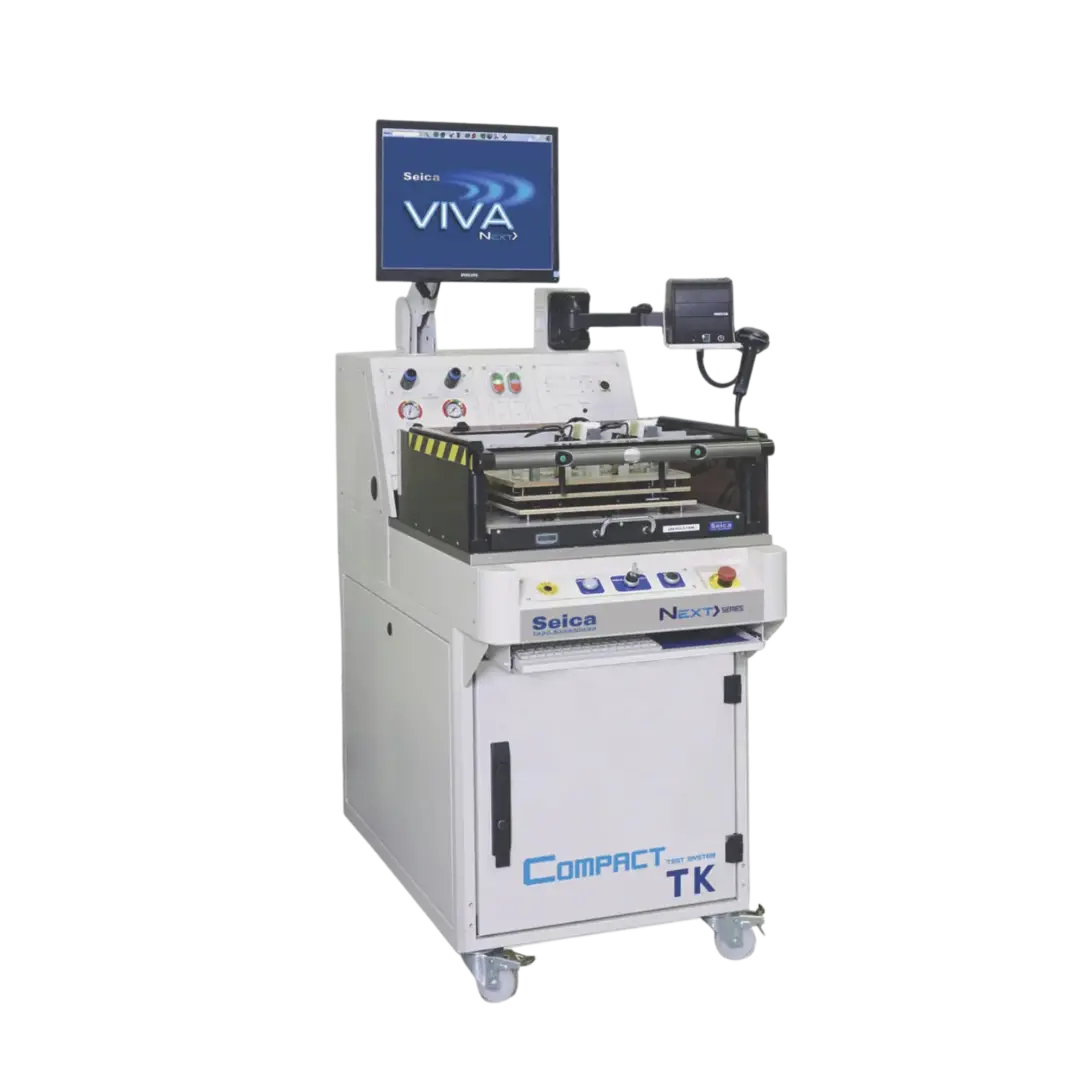
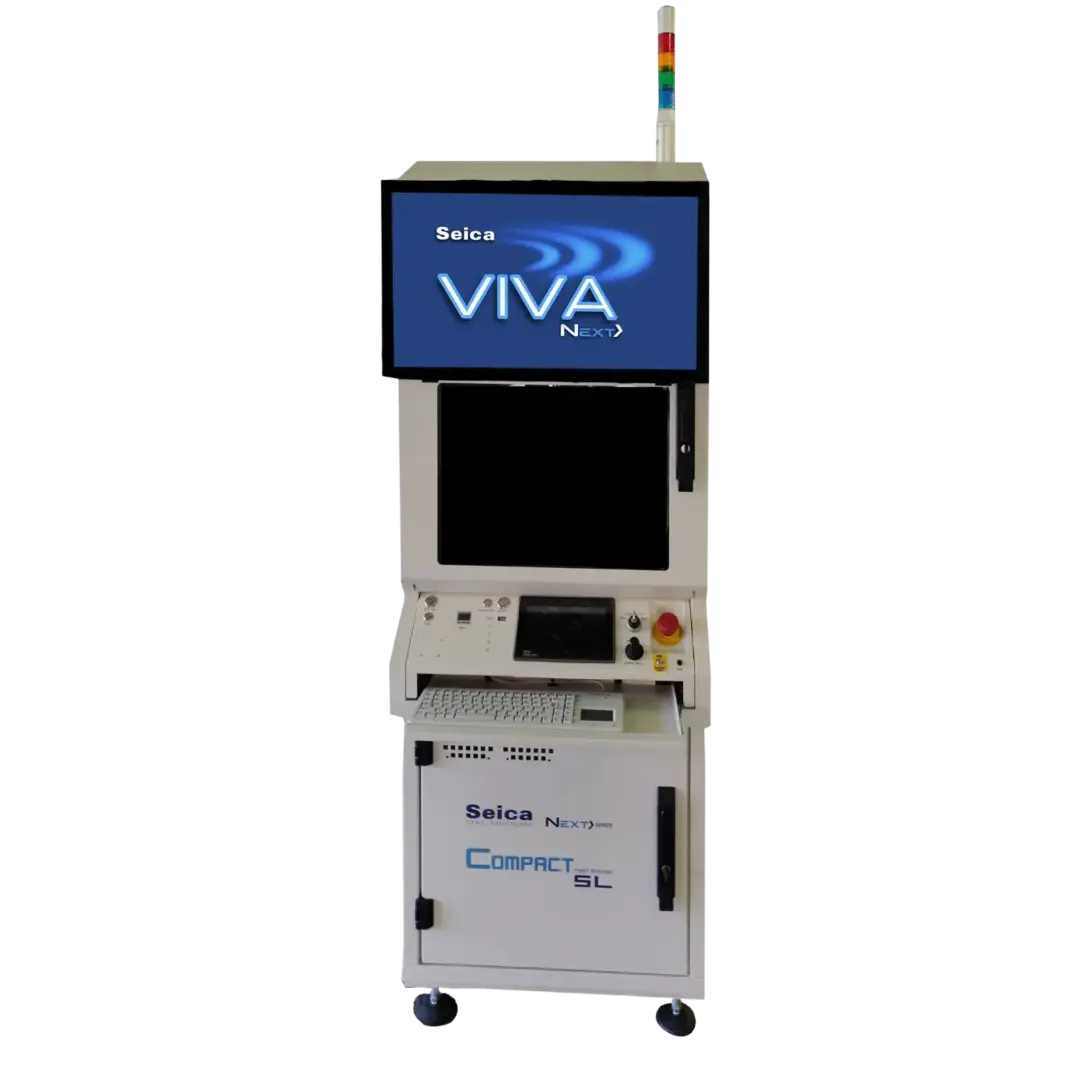
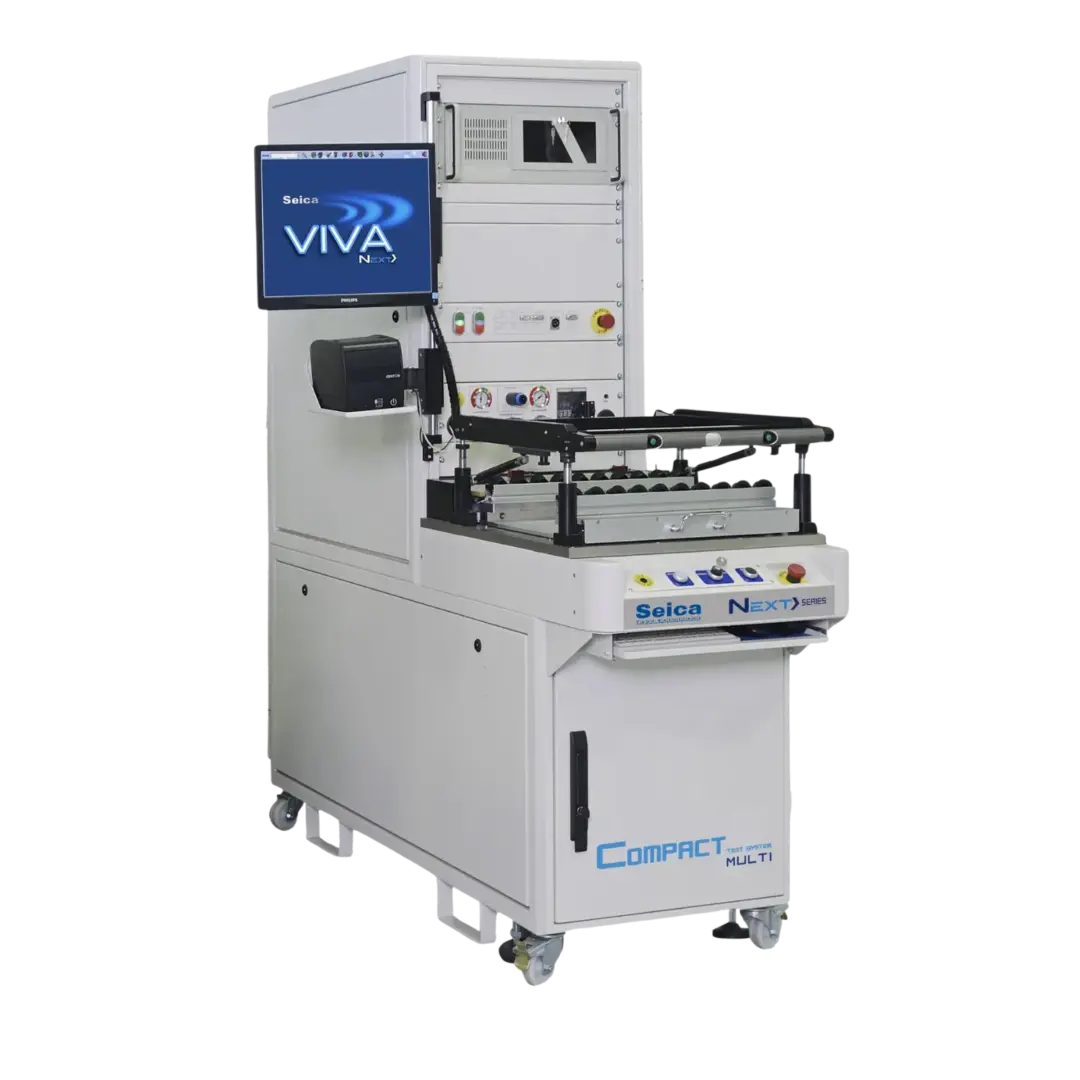
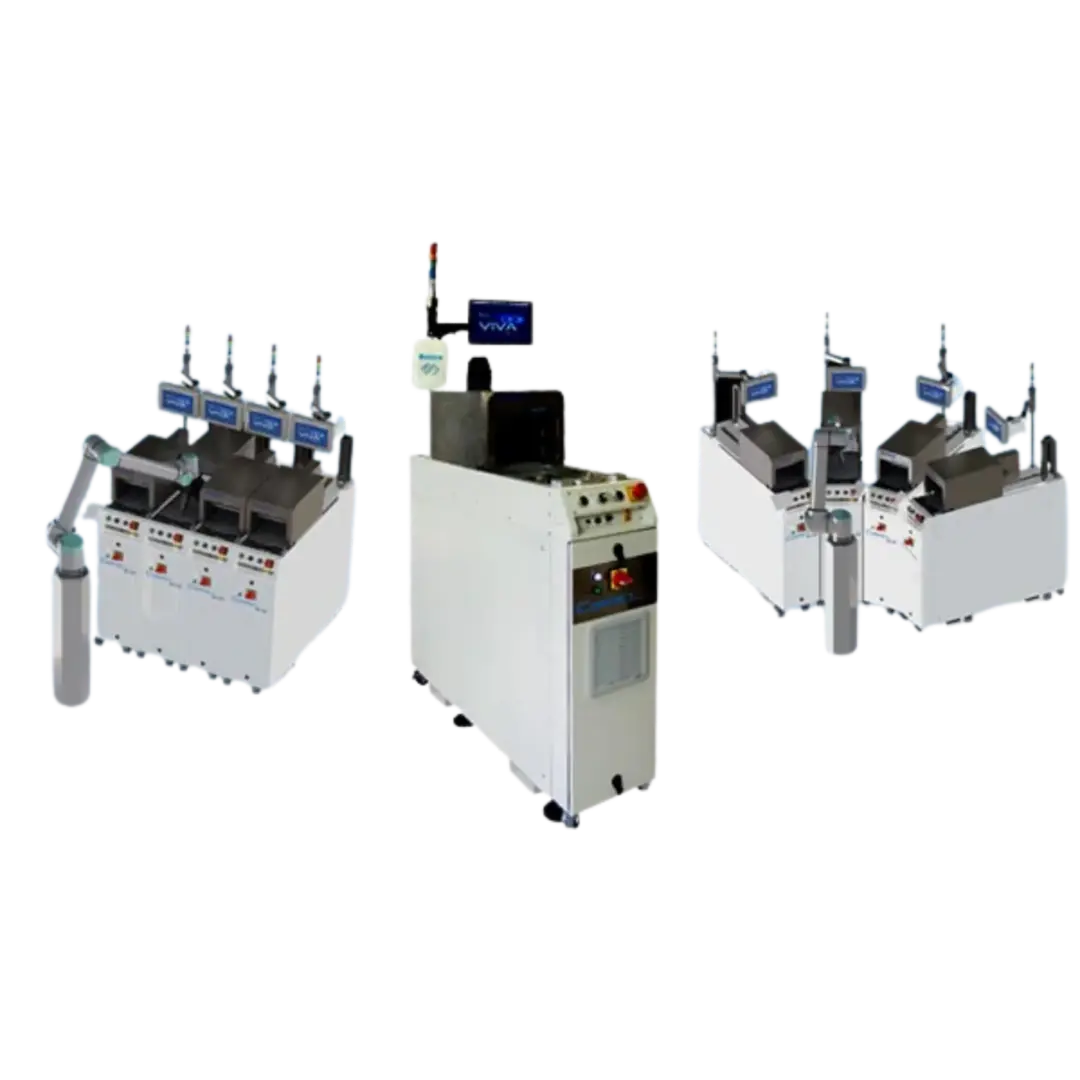
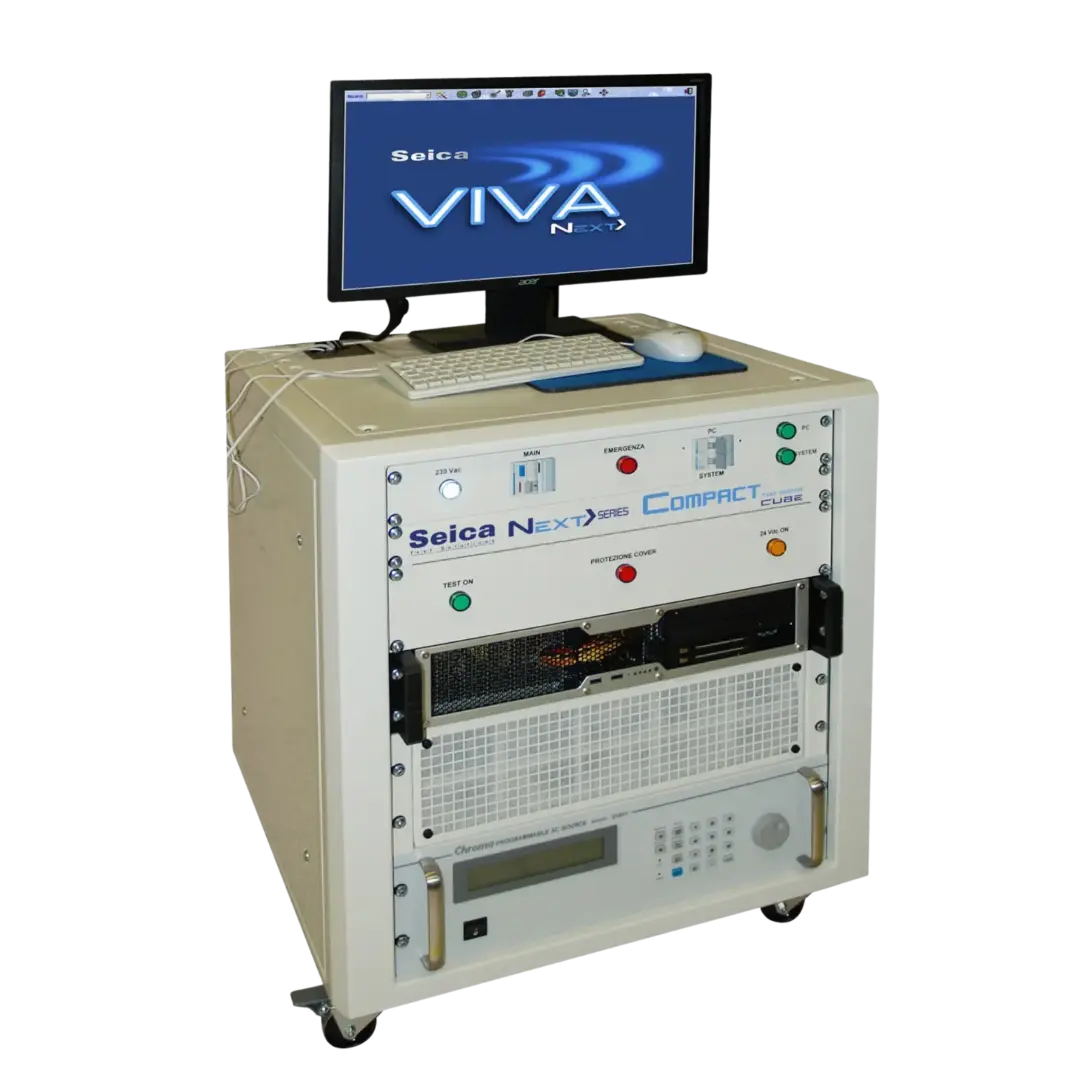
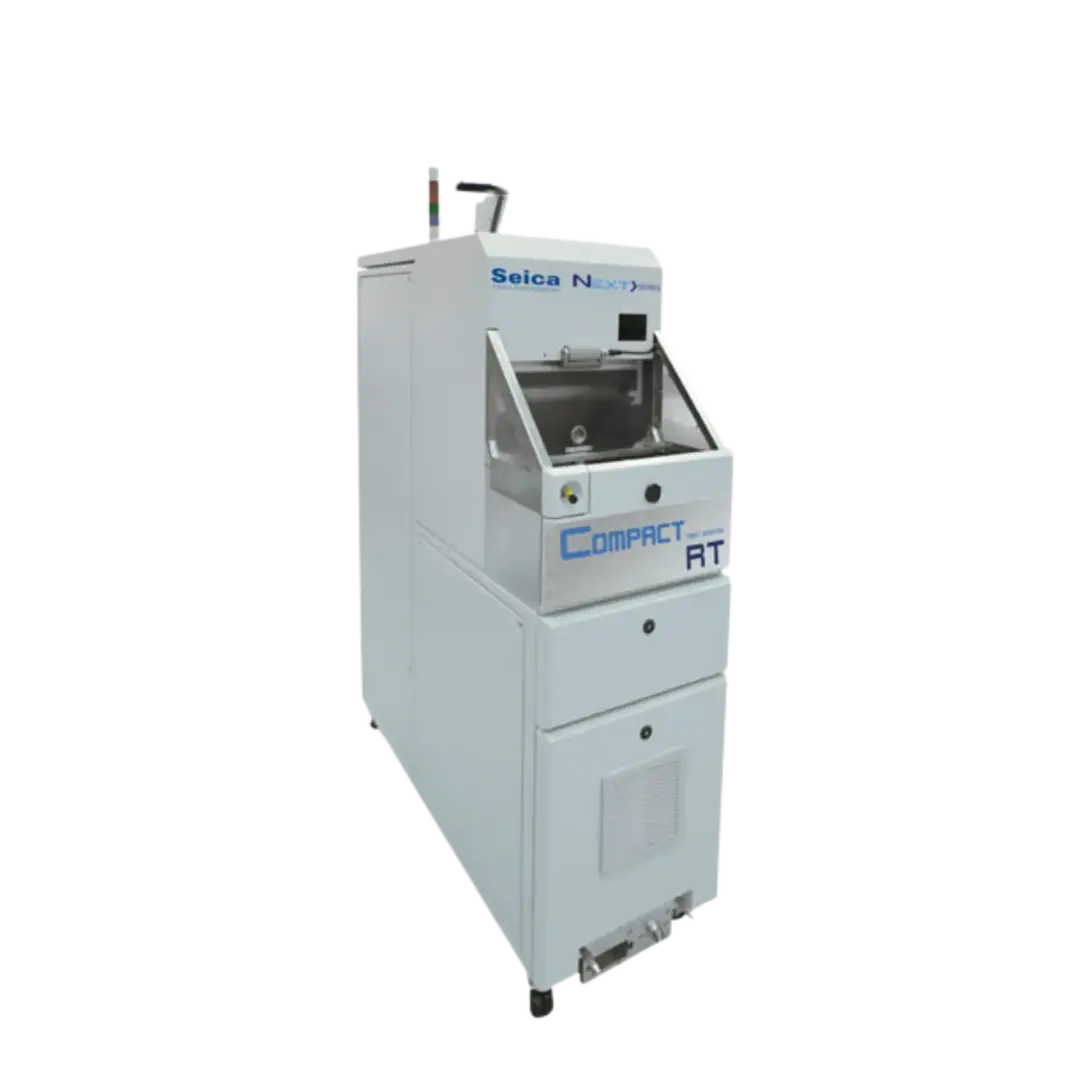
- The COMPACT Line is designed to offer maximum configurability, enabling users to choose the most suitable setup for their application—whether an in-circuit tester, a functional test bench, or a fully automated solution integrated directly into the production line.
✔ Innovation, High Performance, Flexibility and Throughput
Engineered according to lean production principles, the Compact Line specifically addresses the needs of electronic board manufacturing environments.
It is ergonomically refined and technologically competitive, delivering high flexibility, excellent measurement accuracy, fast test execution, and minimal footprint, all with low power consumption to provide a cutting-edge and sustainable solution.
Compact systems are ideal for:
1. Analog and digital in-circuit testing
2. Analog, digital and power functional testing
3. Boundary Scan testing
4. Digital device programming (microcontrollers, memories, etc.)
5. High-voltage testing
Focused on optimizing test costs, the Compact Line emphasizes space reduction, reduced test times, and minimized waste, while remaining fully compatible with test programs and fixtures from the Strategy Line.
Every Compact Line system is built on the Seica VIP Platform, which includes ACL synthesized drive/sense instruments and the VIVA test management software. When required, Compact systems can also be controlled using alternative software suites such as National Instruments LabVIEW™, LabWindows™/CVI, or TestStand™.
If new requirements arise for performance or ergonomics, Seica can deliver customized Compact solutions, integrating third-party tools or developing dedicated hardware and software modules tailored to the customer's specific needs.

 English
  Türkçe