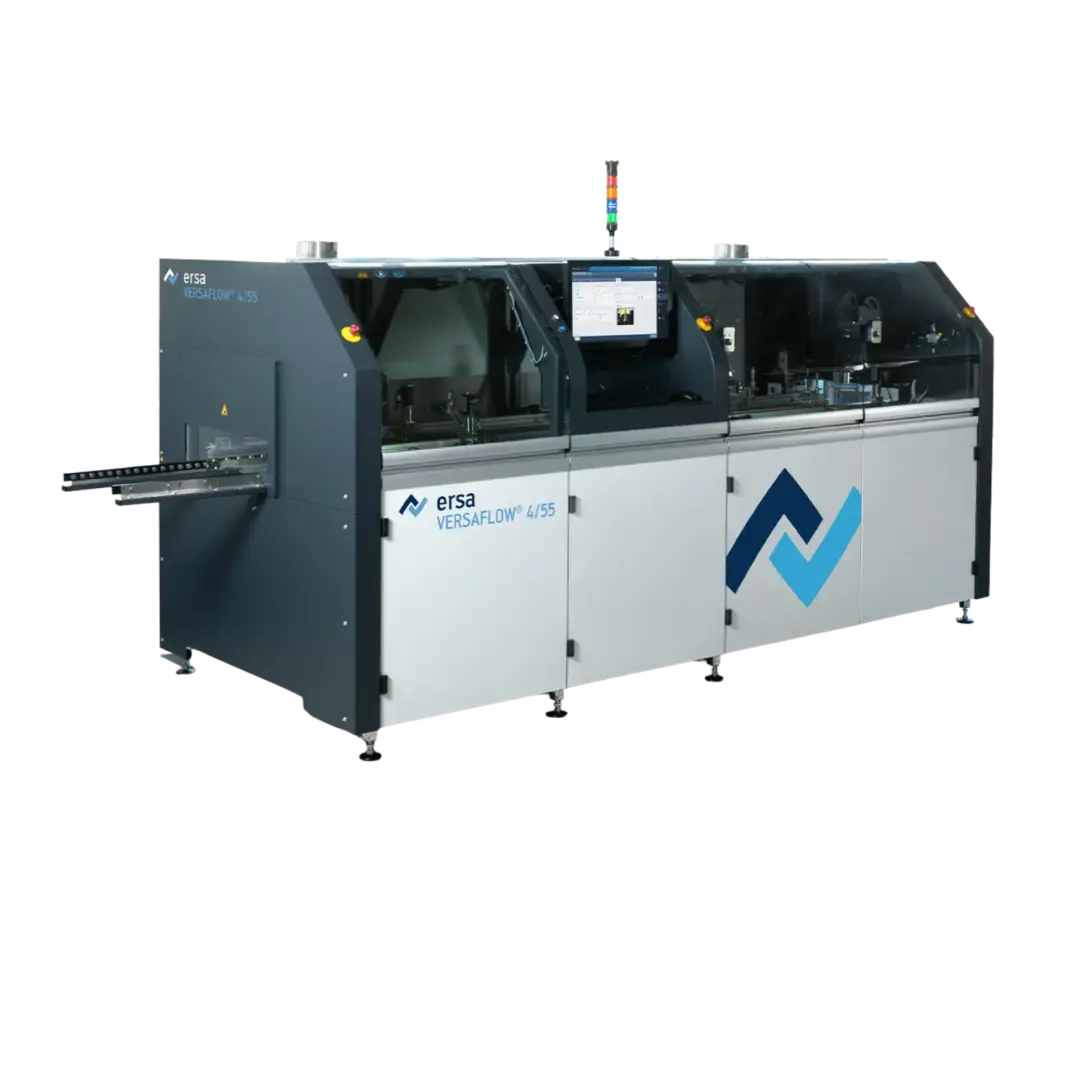
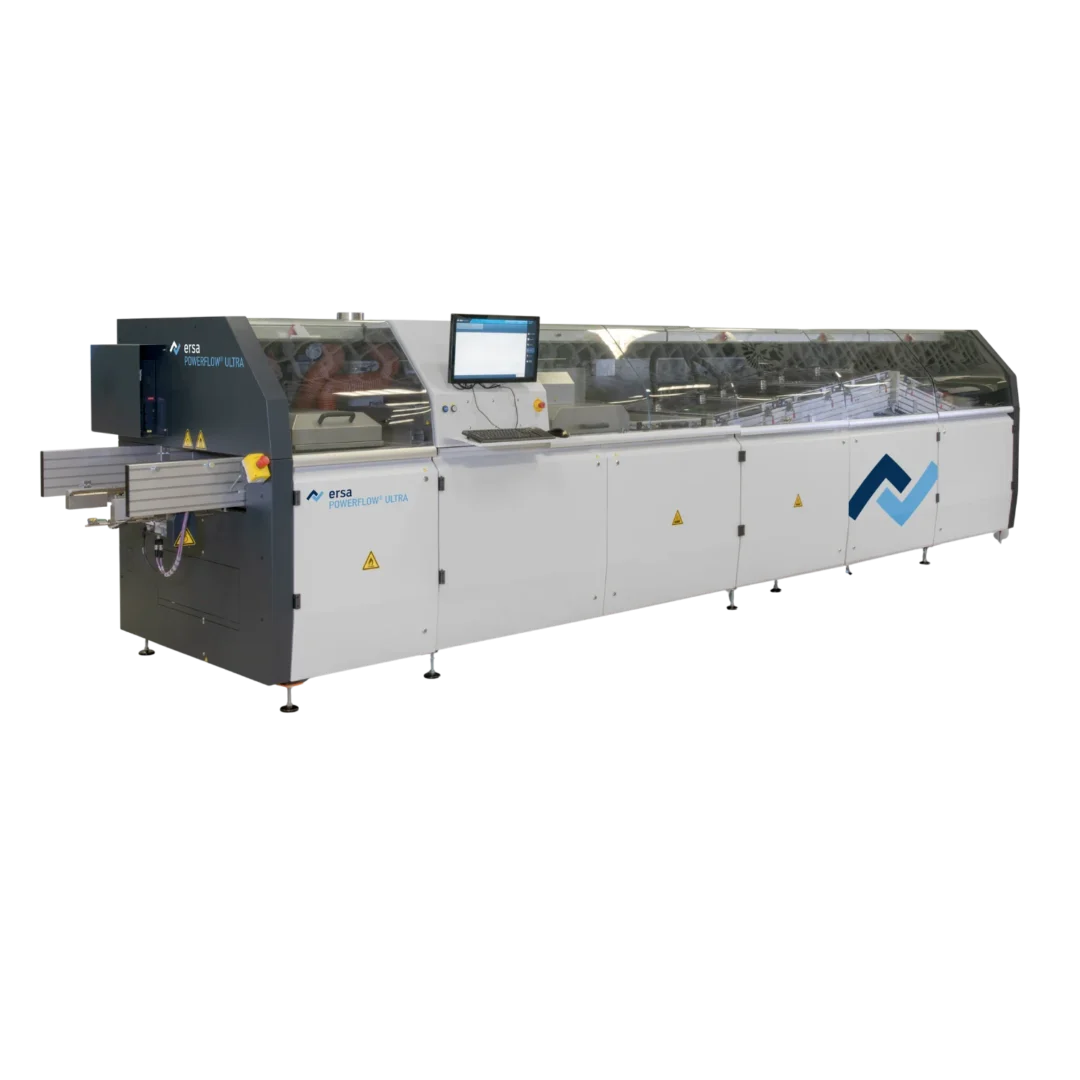
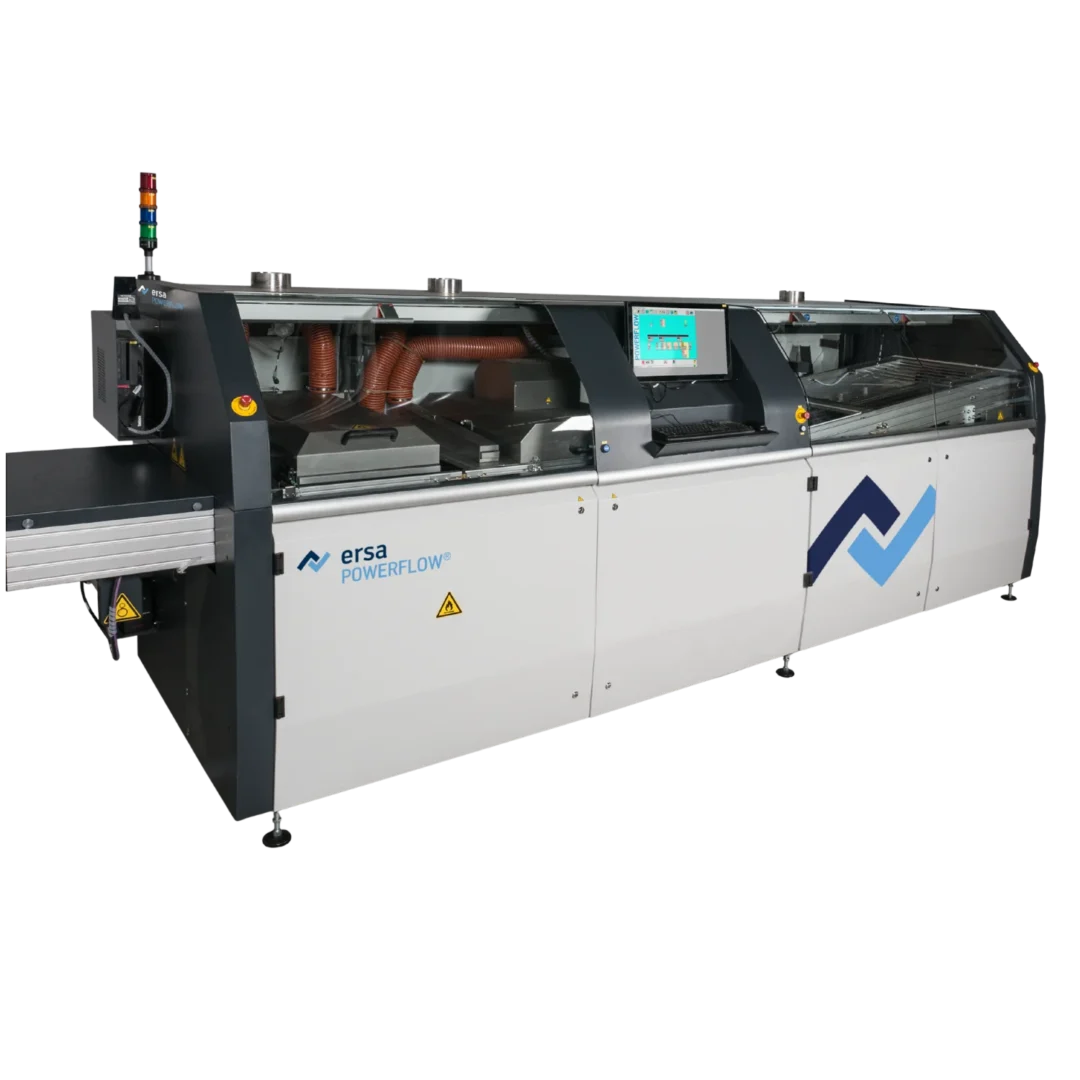
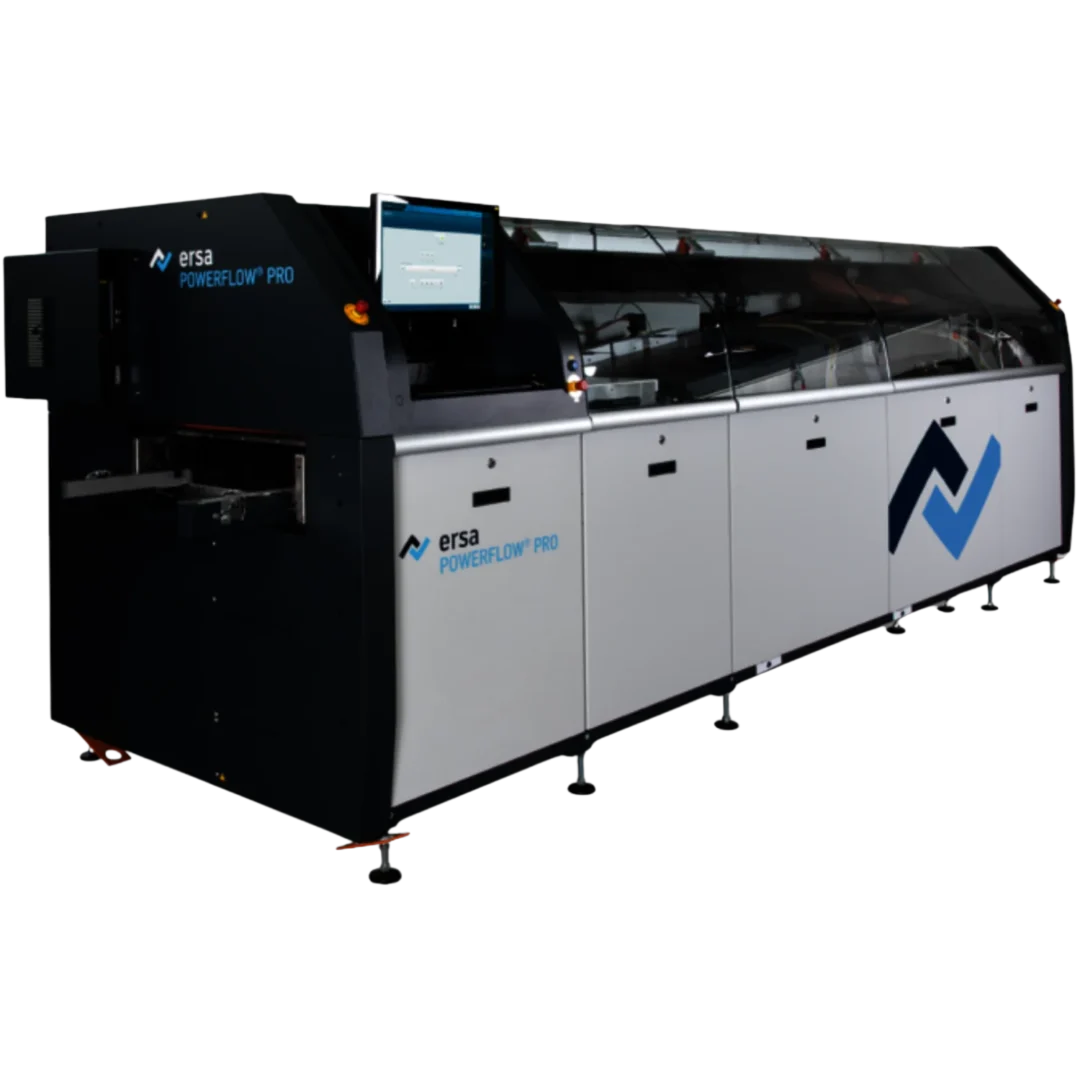
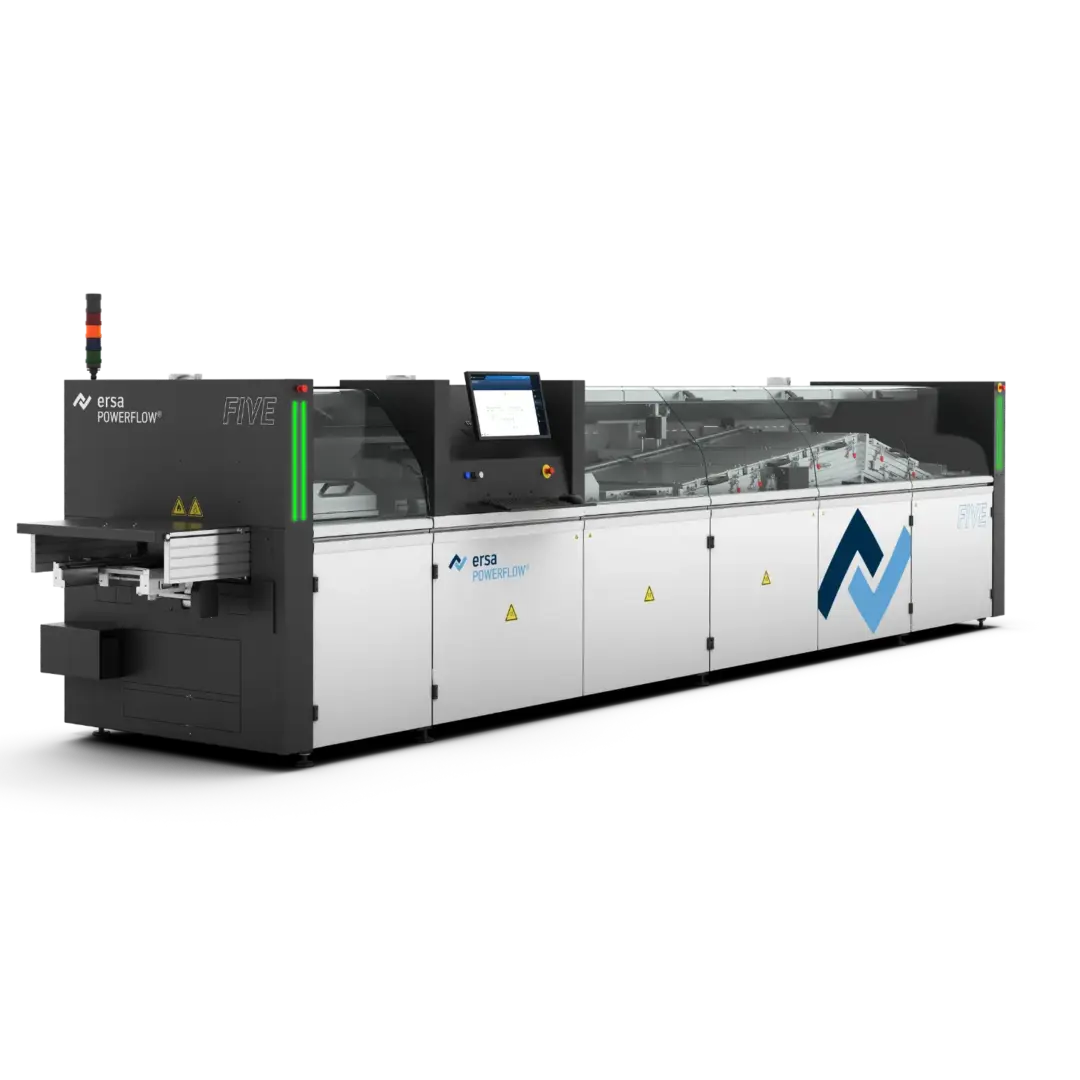
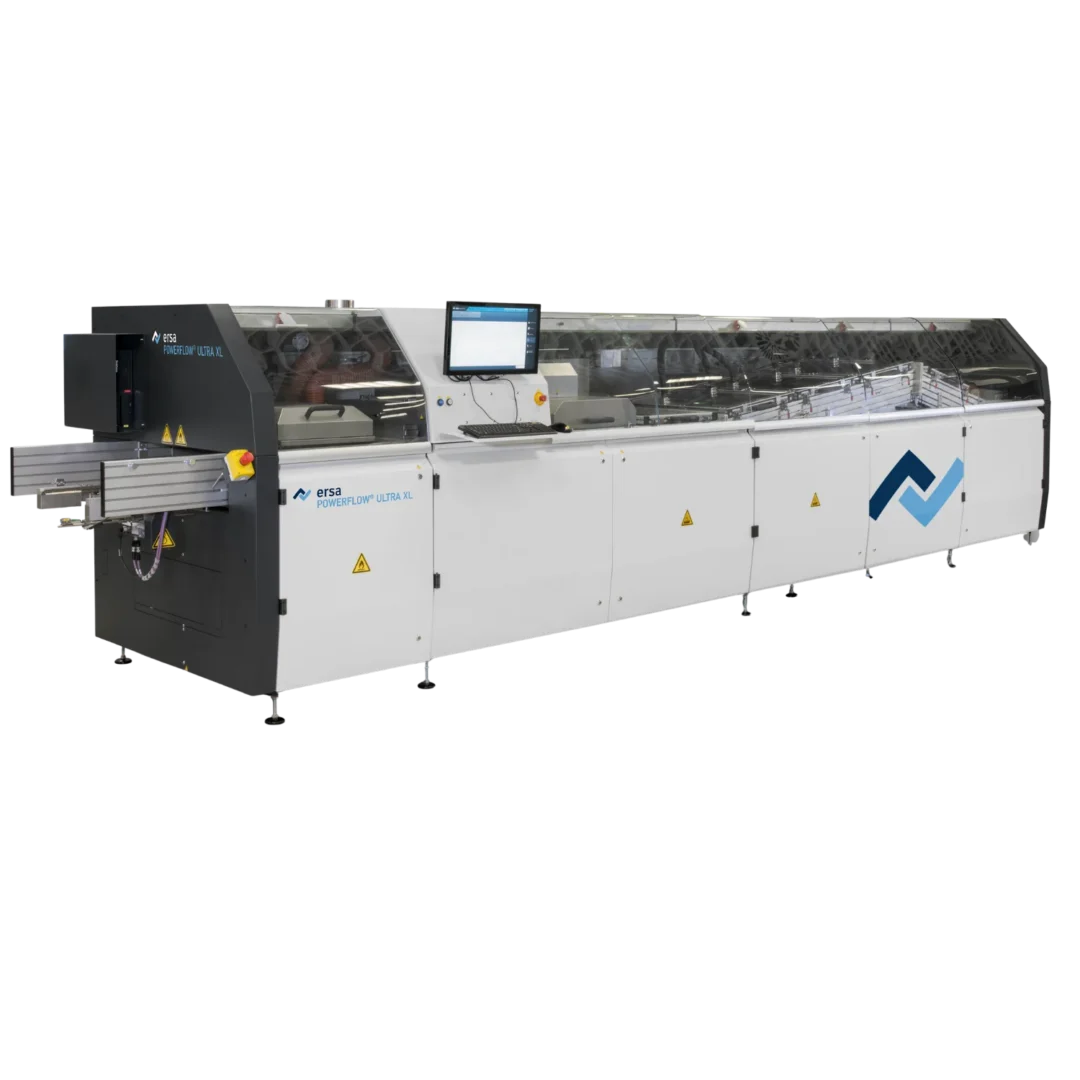
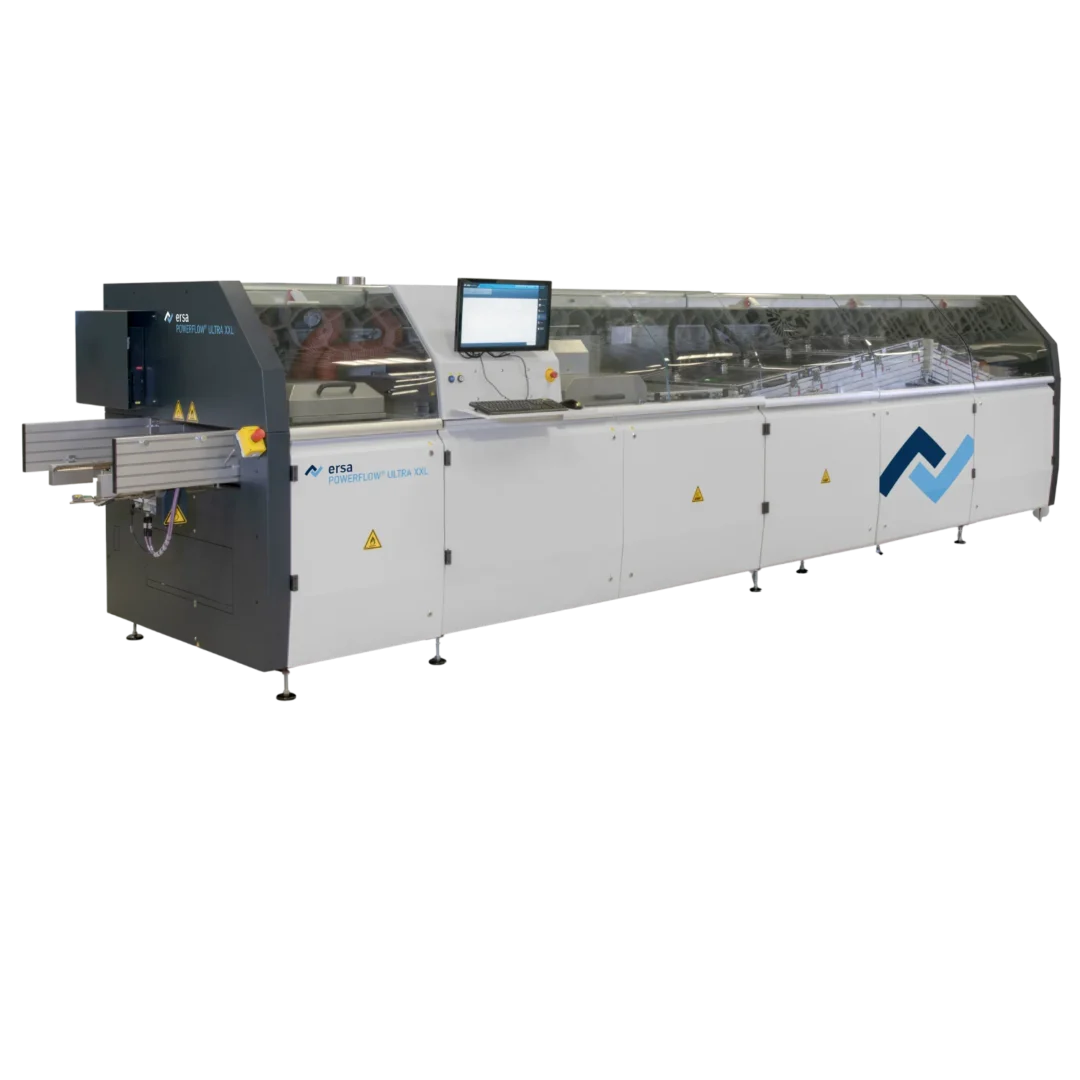
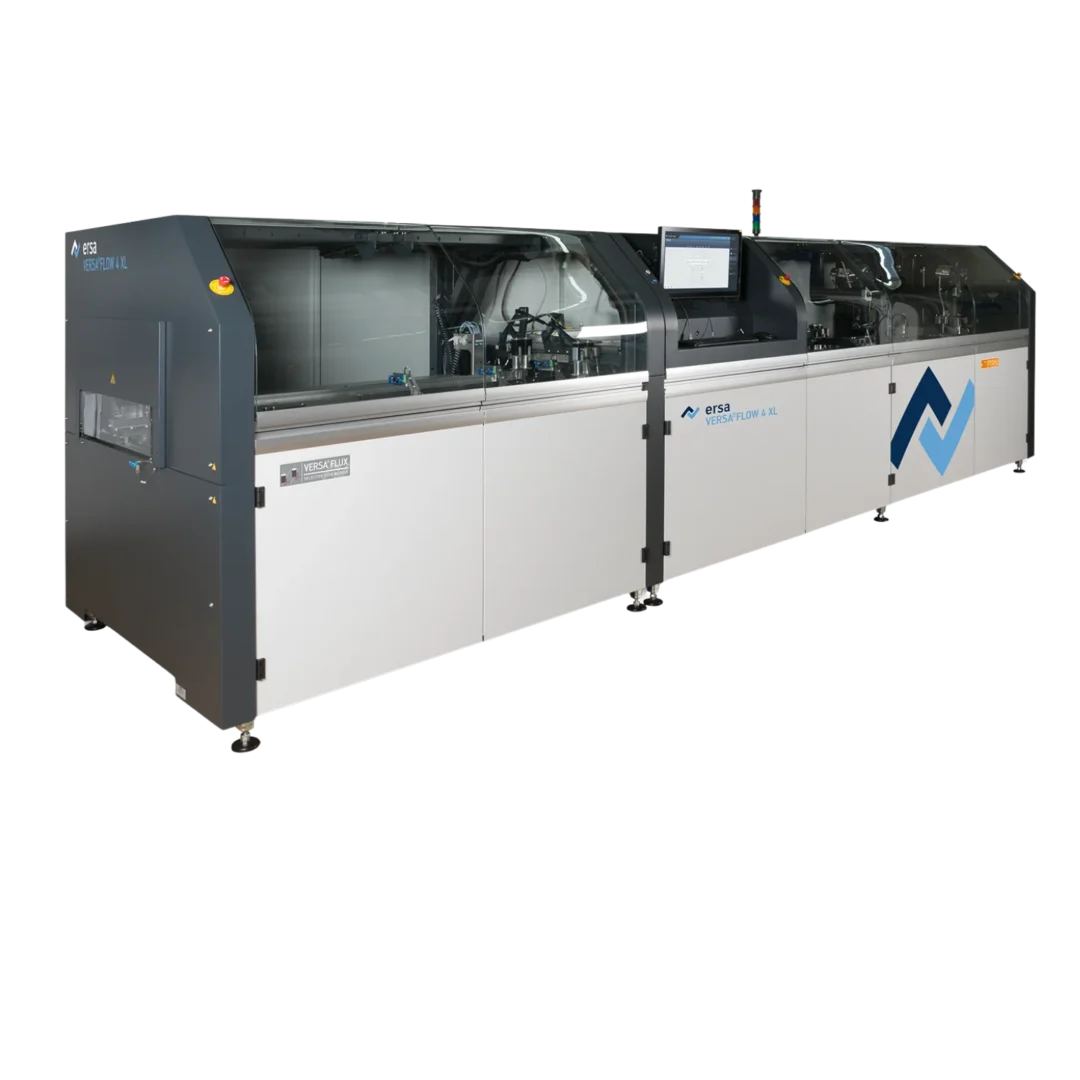
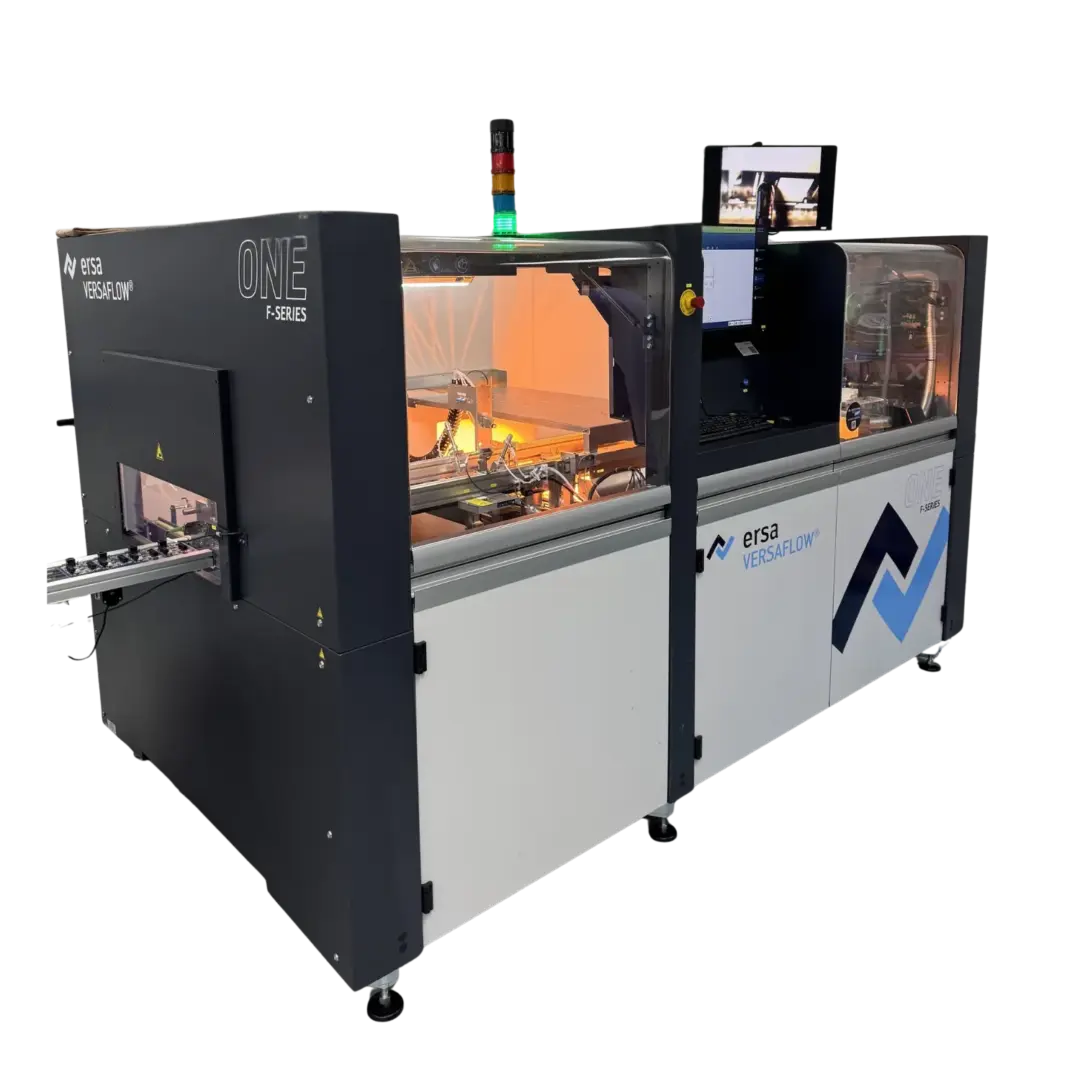
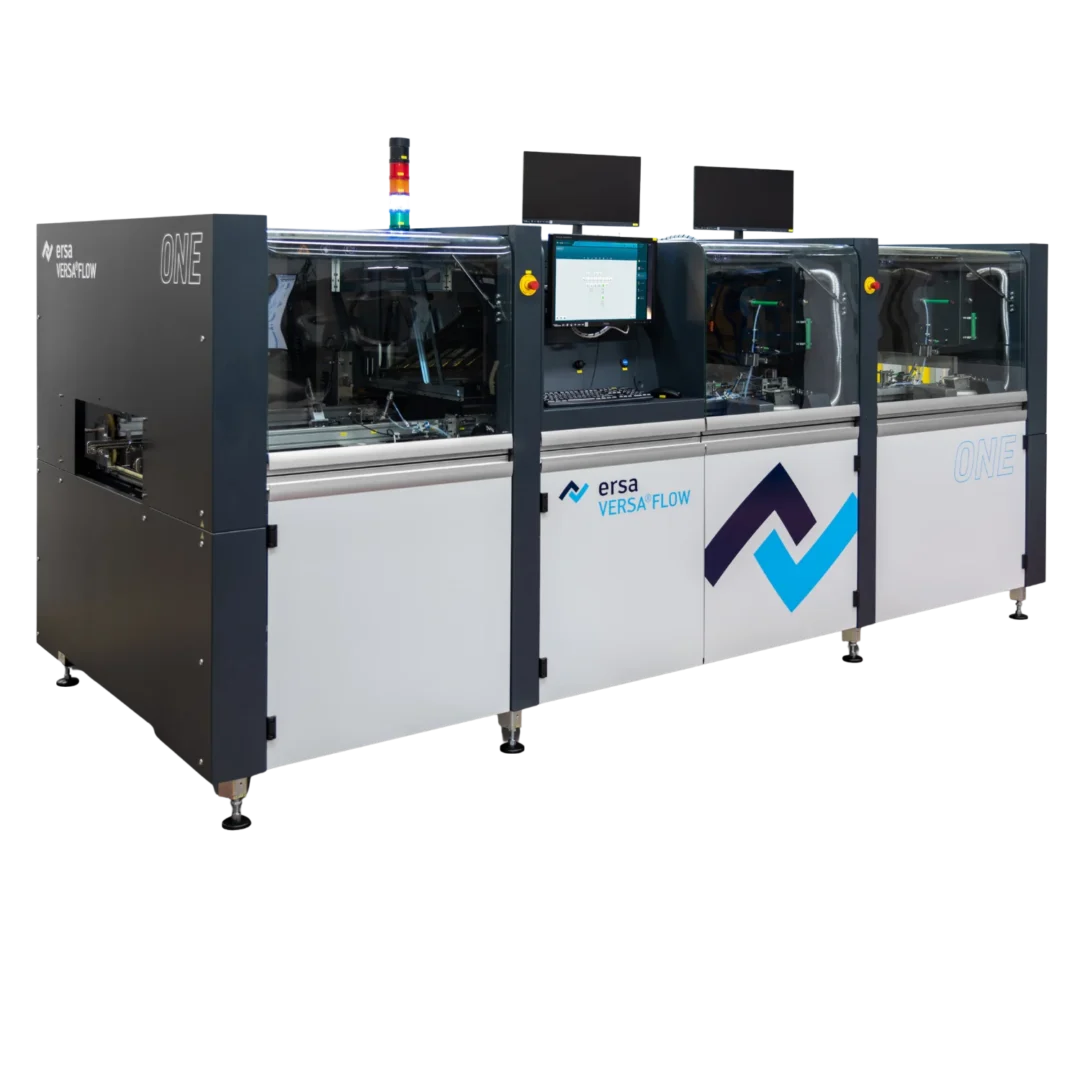
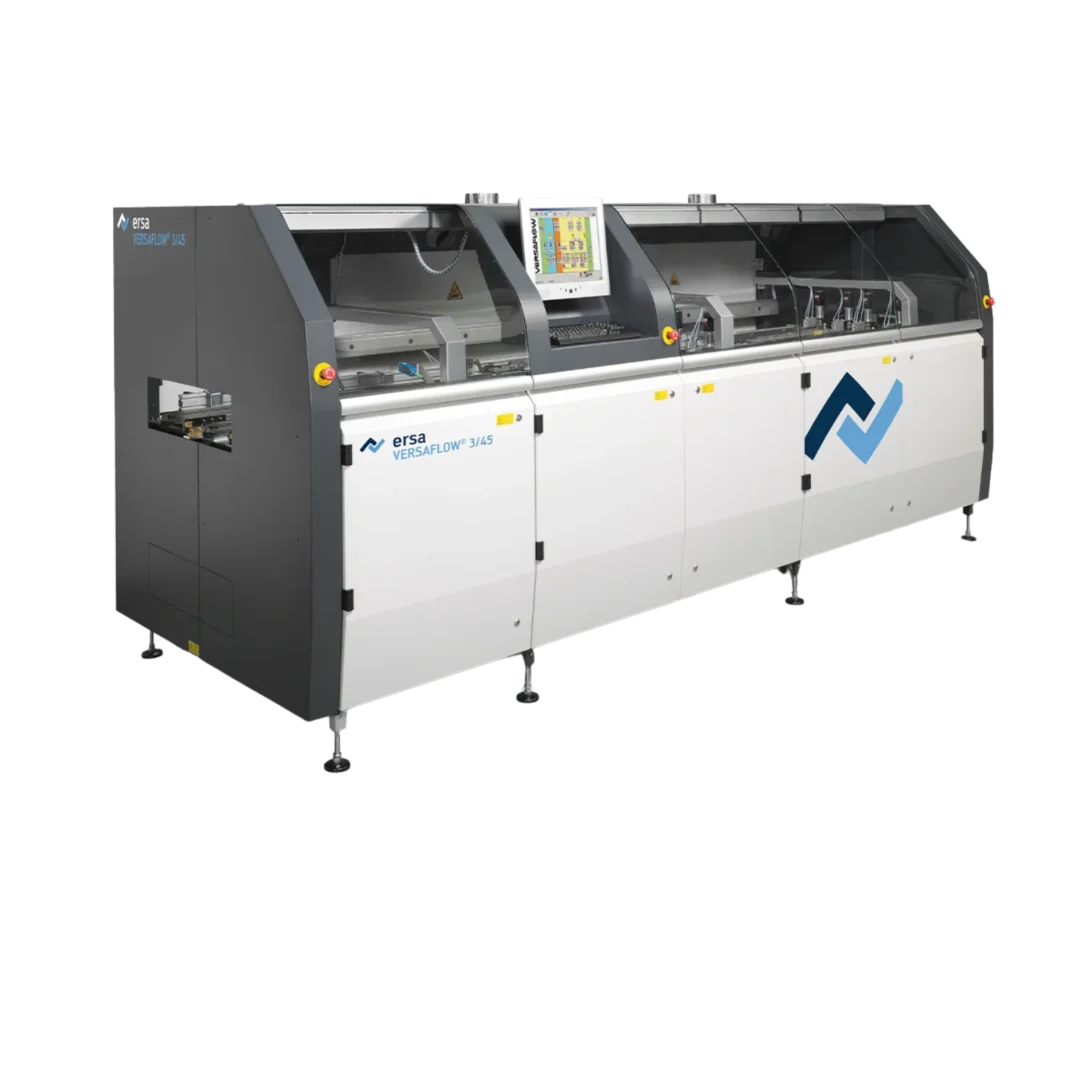
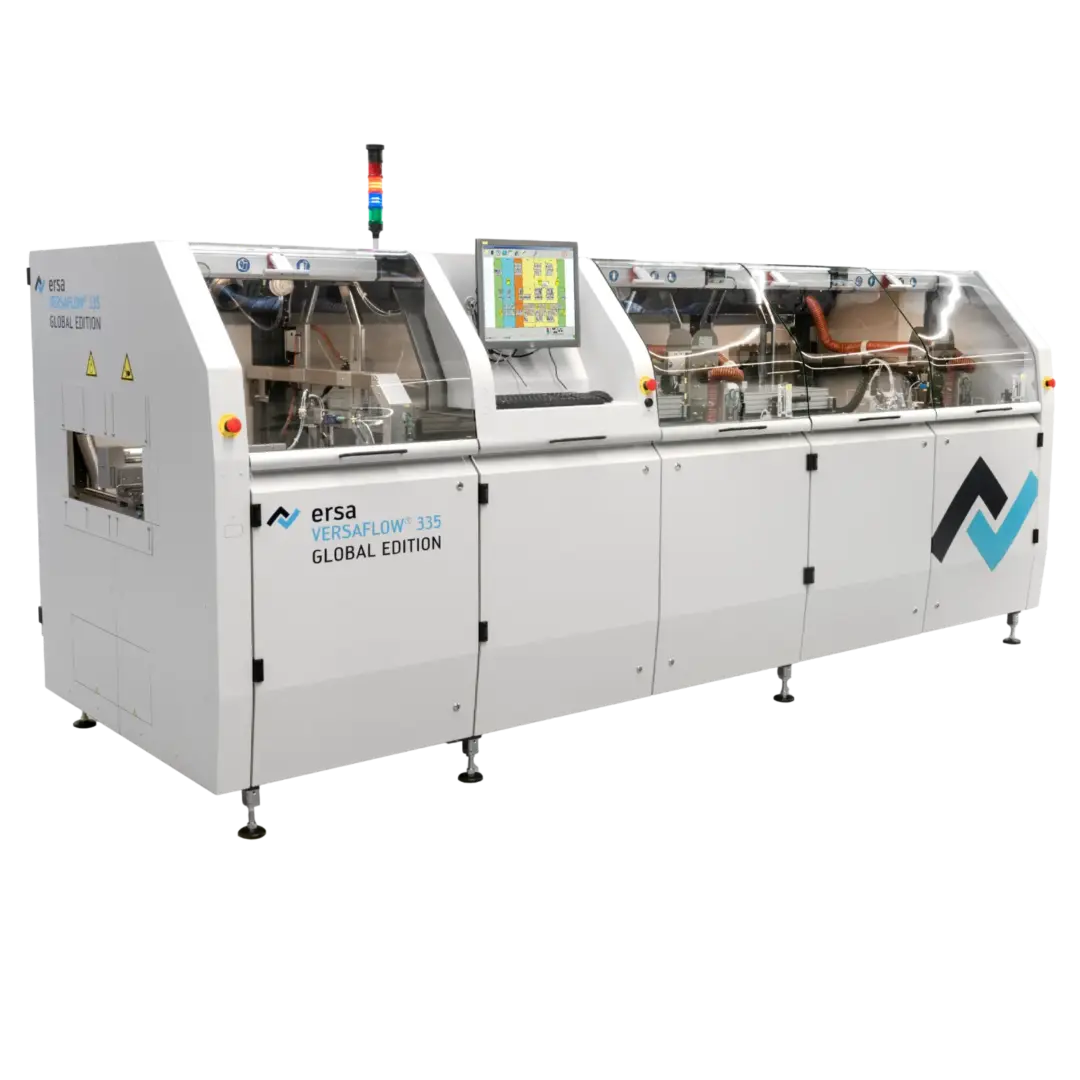
Wave and selective soldering form connections on through-hole and suitable mixed-technology assemblies. Wave soldering passes boards over a solder wave, while selective soldering applies solder to programmed locations using equipment suited to the joint layout.
The methods serve different production needs. A wave process can solder many accessible connections together, whereas selective soldering offers localized access on boards with areas that should avoid the solder bath. Component layout, pallet requirements and thermal exposure influence the choice.
Both processes depend on compatible solder alloy, flux application and preheating. Board transport and cooling also affect joint quality. Compare the complete production sequence, including fixtures, changeovers and inspection, when assessing capacity. Trials on representative assemblies help identify access restrictions and establish suitable process parameters.
Find wave and selective soldering systems at Sinerji. Our team can help you compare the approaches and choose equipment appropriate for your through-hole or mixed-technology PCB assemblies.
Kurtz Ersa is a Germany-based global technology group founded in 1779. The company develops advanced electronics production equipment, automation systems, and manufacturing solutions. With innovative engineering and high-quality systems for soldering, reflow, and production process optimization, Kurtz Ersa enhances manufacturing efficiency supported by a global service and technical support network.

 English
 Türkçe